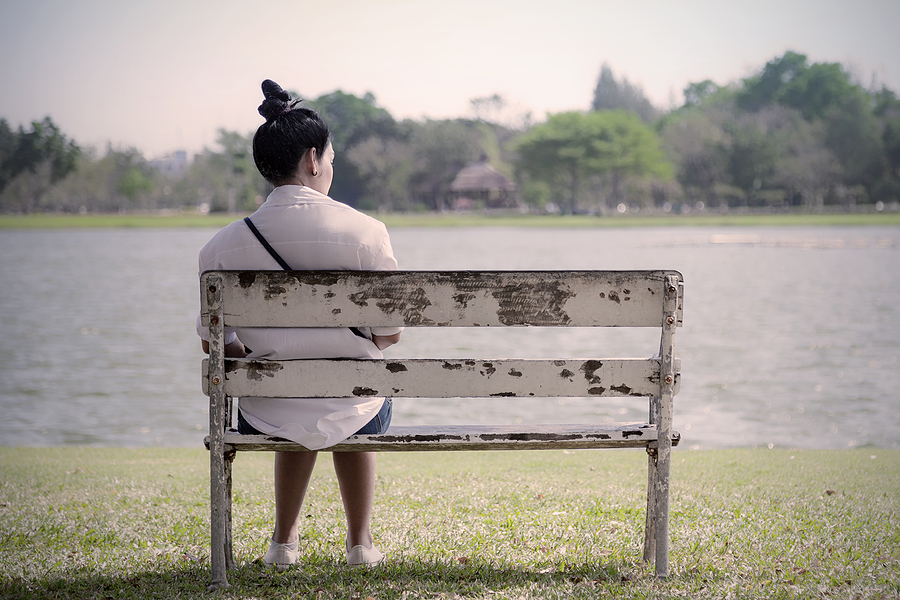
Why You Feel So Vulnerable And Alone After Therapy Sessions (And What Actually Helps)

**Content Warning**
This post discusses detailed experiences of childhood physical and sexual abuse, including descriptions of body memories that may surface during trauma therapy. Please take care of yourself while reading and pay particular attention to your own nervous system responses. If you feel activated, please pause, take some deep breaths, and return when you feel grounded. Feel free to take breaks as needed and consider having support available if you choose to continue. If this content brings up your own memories, please reach out to your therapist, coach or peer support system.

Last Thursday, I had an EMDR session that left me feeling raw, alone, vulnerable and overwhelmed. By Saturday, I was stuffing my emotions with carbs, my belly was swollen from stress, and I felt like I couldn’t breathe under the crushing weight of unprocessed grief. ๐Ÿ’”

If you’ve ever done trauma therapy – EMDR, Tapping, Somatic work, or any other body-based healing – you might recognize this occasional experience where the session ends, memories have surfaced, your nervous system is activated, and then… you’re left to navigate the aftermath largely on your own.

Today I want to talk about what happens when “time’s-up” after trauma processing sessions, why body memories can be so intense, and how to build effective support systems to help you better navigate this vulnerable time.

Because when you’re in the thick of healing work, you need to know you’re not alone – and you need practical tools to help you through. ๐Ÿ’›


When Your Body Remembers What Your Mind Forgot

During my session, memories surfaced that my body had been holding for decades. Terror of being grabbed from behind. The feeling of my head being smashed forward. Searing pain gripping my throat. Gasping for air. My little legs kicking and dangling. Thudding to the floor and then…nothing.

When I regained consciousness (in that memory), I was cold, defeated, and utterly alone.

No one was coming to help me or to save me. No one to pick up the pieces or even care what had happened to me. I had to clean myself, tend to my injuries, and somehow find a way to keep going.

It was in that bleak moment, curled up on the floor, that a cruel inner voice cursed at me for being so “weak and pathetic”. Familiar by now, it berated me in the same harsh tone my abusers used, turning their cruelty inward towards myself: adaptive self-loathing ~ my only hope at survival. No gentleness or compassion. No room for grief back then. Just “pull yourself together” “do better” and “be ready for next time”.

These weren’t just mental images or flashbacks – they were full-body experiences. In the session, my breathing became ragged. My throat burned. I could feel the whiplash sensation in my neck. This is what we call body memories or somatic flashbacks.

Your body stores trauma memories in ways that can be startling when they surface. You might experience:

๐Ÿ’ซ Physical sensations or even bruises that match past injuries

๐Ÿ’ซ Sudden changes in breathing or heart rate

๐Ÿ’ซ Sudden sweating, chills, shaking or panic

๐Ÿ’ซ Feeling disconnected from your body or surroundings

๐Ÿ’ซ Emotional flooding that seems disproportionate to the present moment

๐Ÿ’ซ Extreme fatigue or exhaustion after sessions

๐Ÿ’ซ Feeling confused, foggy or hung-over as you process what happened

This isn’t your imagination. Research shows that trauma is stored in the nervous system and can be triggered during therapy as your body releases what it’s been holding. And although this can be very challenging and uncomfortable to sit with in the moment, it is your body’s remarkable way of releasing what’s been stuck, perhaps for years. ๐ŸŒฑ๐Ÿƒ


The Cruel Voice of Self-Blame

What stayed with me most after my session wasn’t only the physical memories – it was the indent of shame – left by the vicious and belittling self-talk that accompanied them. “You were so weak and pathetic. You couldn’t stay conscious. You passed out. You let this happen. It was all your fault for needing oxygen.”

This internal critic is common among trauma survivors, especially those who experienced abuse as children. All too often, we internalize the perpetrator’s narrative, believing we were somehow responsible for what happened to us. A tiny glimmer of hope we cling to like a life-raft. A glimmer that tells us: “If it was my fault, then just maybe there was something I could have done differently to change things.”

Let me be clear: a child’s nervous system shutting down during trauma is a protective mechanism, not a failure. Your body was trying to keep you alive. If you lost consciousness, couldn’t fight back, or “froze” during abuse, that was your nervous system’s wisdom, not your weakness. ๐Ÿ’™


The Isolation That Follows

After intense therapy sessions, many of us face a particular kind of loneliness. We’ve touched something deep and raw and painfully visceral, and then we’re expected (or we expect ourselves) to return seamlessly to “normal” life – making dinner, helping with homework, responding to work emails.

This isolation can be compounded if those closest to us don’t know how best to respond or support us.

Over the years, my husband, Alex has been endlessly compassionate and supportive of my healing.

After this particular session – I hoped to share with him what had come up, but I chose a moment when he was not able to be fully present. He was distracted and although unintentional, I left the conversation feeling even more shut down and alone with my pain. (Yup – even when we know what to do – sometimes it can go wrong!)

This pattern – being alone with trauma both as children back then, and as adults processing it today – is heartbreakingly common. As children, we were often left to deal with the aftermath of abuse by ourselves. Now, unfortunately, we can find ourselves in a similar position during healing. ๐Ÿ’”

This is why it’s so very important for us to learn to build a safe container and a strong support system for our healing work today.


Building a Container for Trauma Work

If you’re doing trauma healing work or therapy of any kind, creating a “container” – a safe structure around your healing work – is essential. This container can include:

Before Sessions:

๐ŸŒฟ Clear your schedule for the day (or at least an hour either side) if possible

๐ŸŒฟ Arrange childcare or support for immediate responsibilities (like school pickup)

๐ŸŒฟ Let trusted people know you may need extra support

๐ŸŒฟ Prepare comfort items (soft blankets, tea, soothing music)

During Sessions:

๐ŸŒฟ Advocate for adequate orientation time at the end of the session (where you can review, ground or ask any specific questions)

๐ŸŒฟ Ask your coach or therapist to teach you specific integration techniques

๐ŸŒฟ Don’t rush out – take time to orient yourself to the present moment (I like to take a slow walk outside or sit with my journal for a few minutes before I drive home)

After Sessions:

๐ŸŒฟ Avoid making major decisions or having difficult conversations

๐ŸŒฟ Engage in gentle, nurturing activities (a coloring book in your purse can work wonders)

๐ŸŒฟ Stay hydrated and eat nourishing foods

๐ŸŒฟ Limit alcohol and other substances like caffeine that might interfere with processing

๐ŸŒฟAvoid rushing straight back into “normal” life (like business meetings)


Creating Your Support Network

Trauma healing and recovery cannot happen in isolation. Consider building support through:

Professional Support:

๐ŸŒธ Discuss post-session protocols with your coach or therapist

๐ŸŒธ Consider shorter, more frequent sessions if intensity is overwhelming

๐ŸŒธ Ask about resources for between-session support (like email check-ins)

๐ŸŒธ Explore whether group therapy might provide additional community

Personal Support:

๐ŸŒธ Identify 2-3 people (friends or your partner) who can offer presence without trying to “fix” things

๐ŸŒธ Educate key supporters about trauma processing

๐ŸŒธ Create simple signals for when you need extra care

๐ŸŒธ Join online communities of others doing similar healing work (though be sure these are not overwhelming or re-traumatizing for you)

Self-Support:

โœจ Develop a post-session self-care routine (a walk in nature, warm tea, cosy blanket, journal, birdsong music are my favs!)

โœจ Learn grounding and orienting techniques for when memories surface

โœจ Practice self-compassion when your body needs to process

โœจ Trust your nervous system’s timing rather than forcing recovery

โœจPractice self-compassion and forgiveness when you do slip back into old ways of coping (like me with the carbs this weekend)..

โœจRemember – this is not easy work and you, my friend, are doing an amazing job! ๐Ÿฅฐ


Tapping for Post-Session Support

When difficult memories do surface and you’re feeling overwhelmed, this gentle tapping sequence can help calm your nervous system:

Setup (Side of Hand): “Even though these memories are painful and I feel so alone with them, I acknowledge that my body is releasing what it’s been carrying, and I’m safe – right here, in this moment.”

Tapping Sequence:

๐ŸŒฟ Top of Head: “These memories feel so overwhelming”

๐ŸŒฟ Eyebrow: “I feel so alone with this pain”

๐ŸŒฟ Side of Eye: “My body remembers things my mind forgot”

๐ŸŒฟ Under Eye: “But I’m safe right here, right now”

๐ŸŒฟ Under Nose: “I’m brave for facing these memories”

๐ŸŒฟ Chin: “My body is releasing what it’s been holding”

๐ŸŒฟ Collarbone: “I don’t have to carry this alone anymore”

๐ŸŒฟ Under Arm: “I’m choosing healing even when it’s hard”

๐ŸŒฟ Top of Head: “I trust my body’s wisdom to heal”

Take a deep breath and notice any shifts in your body or emotions. Remember, healing isn’t linear, and it’s okay to move slowly. You can repeat this tapping sequence as often as is helpful.


When Family and Friends Don’t Know How to Help

It can be painful when those we love can’t always hold space for our healing journey. Sometimes this happens because:

๐Ÿ’™ They’re overwhelmed by the intensity of trauma content

๐Ÿ’™ They feel helpless and don’t know how to respond

๐Ÿ’™ They’re dealing with their own unprocessed trauma

๐Ÿ’™ They haven’t been taught how to offer presence and actively listen without suggesting solutions

๐Ÿ’™ย Life can get busy and they’re dealing with their own stuff – they’re human too!

It’s important to remember that even the most loving and supportive relationships can struggle under the weight and intensity of trauma processing. Especially when a healing journey can last for years and even decades.

Compassion fatigue is a very real phenomenon.

If you can relate to this, you might consider having direct conversations with your loved-one about what you need ahead of time – when you’re not actively triggered or processing emotions or memories. This might sound like:

โ™ฅ๏ธ “I’m not looking for advice or solutions. I just need you to listen and remind me that what happened wasn’t my fault.”

โ™ฅ๏ธ Please be “outraged on my behalf”. Tell me that it should never have happened and it was not ok!

โ™ฅ๏ธ I need a little time to myself today. Please can you pick up the kids.

โ™ฅ๏ธ I will ask you if you have the capacity to listen to me actively and with your full attention. Please tell me if you can do that. If not – please help me schedule a time when we can talk about what’s coming up.

If however, your immediate family, friends or loved-ones can’t provide this kind of grounded, compassionate support, it’s okay to seek it elsewhere (in a support group for example).

Your healing is too important to abandon simply because others may not have the capacity to meet you where you’re at. ๐Ÿ’›


Support for Partners too

It’s important to remember that healing work can be really tough for our loved ones too. They see our pain and can often feel powerless to help. If you are the loved-one of a survivor, please know that it’s ok for you to reach out for support.

Your feelings, frustrations, anger and grief about what happened matter too. There are support networks out there – you don’t have to bear this alone.

Finding a friend, coach or therapist you can explore and express your feelings and concerns with can be extremely helpful.


Making Meaning from the Pain

One of the hardest parts of trauma processing can be the difficulty of trying to reconcile and integrate what we’ve gone through into our life today. “Why can’t I just let the past go? Why can’t I just move on? Why can’t I just be happy now – when I’ve created a good life?”

But, healing isn’t about forgetting or “getting over” what happened. The events of our past will always be there. Our healing is about us learning how to grow around the wounds; integrating these experiences into our current life so that they no longer control us in our present.

When you process past trauma, you’re not just healing yourself – you’re breaking cycles and creating space for you to grow and build capacity for safe, authentic connection with others in the here and now.

Your decision to face these memories, and to do this deep healing work, despite how painful it is, takes tremendous courage. I honor you for that courage my friend, and I want to remind you today that each time you show up to your own healing is an act of self-love and of rebellion against those who tried to hurt you, silence you or destroy you. ๐Ÿ’ชโœจ


You’re Not Broken – You’re Breaking Free

If you’re reading this in the aftermath of your own difficult therapy session, please know: the rawness you’re feeling is part of healing, not evidence that you’re broken. The memories that surface are your body’s way of releasing what it’s been carrying for too long.

You deserve support during this process. You deserve people who can witness your pain without flinching or judging. You deserve to take up space with your healing journey.

And you deserve to know that the little voice inside you that says “it was your fault” is mistaken. What happened to you was never your fault. Your body’s responses were protective, not weak. Your survival is a testament to your strength, not evidence of your failure. ๐ŸŒผ

The path of trauma healing is rarely linear or easy. But you don’t have to walk it alone. Please reach out for support – either in this community or elsewhere.. ๐Ÿ’•

Advocate for what you need. Trust that your nervous system knows how to heal when given the right conditions. ๐Ÿ’›

Your courage to face these memories is already changing you. Trust the process, even when it feels impossible. ๐ŸŒฑ


Resources for Support

If you’re struggling with trauma processing:

๐Ÿ’ซ Contact your therapist between sessions if needed

๐Ÿ’ซ Call a crisis helpline if you’re in immediate distress

๐Ÿ’ซ Consider joining a trauma-informed support group

๐Ÿ’ซ Explore online communities for trauma survivors

๐Ÿ’ซ Remember that healing happens in your own timing

Your healing matters. Your pain is valid. And you are worthy of all the support you need to reclaim the life you want and deserve. ๐Ÿ’•

With you in the messy middle,

Karen ๐ŸŒผ


P.S. If someone you love is doing trauma work, the most powerful thing you can offer is your presence. You don’t have to have any of the answers. Try saying:

“I’m so sorry that happened to you. It was never your fault. I’m here.” ๐Ÿ’›


5 Gentle Ways to Let Go as the Seasons Change

I can’t believe we’re already well into September! The kids have settled back into the rhythm of school and activities, and I’m doing my best to embrace the beginnings of this seasonal shift: the crisper mornings, the early golden leaves, the hot tea, cozier clothes, and shorter days.

In the past I’ve really struggled with this transition – pulling out my vitamin D sunlamp and trying valiantly to ward off feelings of impending doom and isolation as winter closes in around me. ๐Ÿฅถ

But Autumn is my daughter’s favorite season. She absolutely loves everything about it! She makes playlists, re-watches her favorite fall movies and shows, snuggles up in cozy, soft blankets, decorates her room with foliage, and loves to go on long walks, hopping through the leaves – celebrating every crinkle and crunch!

So this year, I’m really trying to explore it through her eyes – and honestly, her excitement is infectious. ๐Ÿ˜ƒ๐Ÿ

Suddenly I’m looking for magic – slowing down and savoring the tiny rituals and moments like finding a heart-shaped leaf or trying a new soup recipe – instead of mourning the end of warmer days or dreading the frigid cold and barren landscape of impending winter. ๐Ÿชพ


The Wisdom of Seasonal Cycles

As I sit here writing this with my steaming cup of tea and my pup curled up snore-purring beside me, I’m reminded of what my daughter and nature have been modeling for me all along: the art of allowing and letting go – yes, even when we don’t exactly know what comes next!

If we can pause in this place of not knowing and uncertainty – even for a moment – we might begin to understand that “letting go” doesn’t have to be a bleak, depressing thing. It can be about releasing the old, pruning and shedding what no longer serves us, in order to make space for new and perhaps exciting things to emerge and grow. ๐ŸŒฑ

My daughter is certainly adept at embracing change – emerging with grace on the other side of last year’s dance upheavals, taking middle school AND a new ballet school in her stride! ๐Ÿ’—๐Ÿฉฐ


But Letting Go Is Hard!

Unlike trees, we humans don’t just naturally drop what we no longer need. When the time comes for trees, they simply… let go. ๐Ÿ‚๐Ÿ

Easier said than done for many of us, right? Especially when that “letting go” calls on us to re-examine issues of survival and identity, or loosen our grip on trusty old coping strategies we’ve likely relied upon to provide some sense of certainty or safety through the years.


When What We Carry No Longer Serves Us

As the days grow shorter and we naturally begin to turn inward, it’s a perfect opportunity to ask ourselves:

๐Ÿค” “What am I still carrying or holding onto that perhaps no longer serves me?”

๐Ÿค” “What kept me safe back then – but feels more like it’s holding me back today?”

๐Ÿค” “When I think about that thing and the idea of letting it go – do I notice any fear and resistance rising inside me?”

Maybe for you, the thing you’re still carrying might be:

๐ŸŒฟ Perfectionist or people-pleasing tendencies that leave you feeling drained and exhausted

๐ŸŒฟ Commitments you said yes to out of obligation, not desire

๐ŸŒฟ Habits, behaviors, or beliefs that were necessary back then but you now feel you’ve outgrown (you just don’t know what to replace them with yet)

๐ŸŒฟ The need to have everything figured out before taking action


The Fear of Empty Spaces

Oftentimes, letting go can feel so challenging for trauma survivors because empty spaces once felt dangerous. We learned to fill every gap, every silence – with busyness, with people-pleasing, with hypervigilance – because emptiness meant vulnerability. Quiet meant threat. Calm was literally before the storm.

But what if empty spaces aren’t voids to be filled or feared? What if they’re new ground to be tended to and nurtured? ๐ŸŒฑ

What if this uncertainty and limbo – this place of “no longer… but not yet…” is actually the perfect place for us to be right now?

When trees release their leaves, they’re not becoming less – they’re creating space for what’s next. The tree is not failing. The bare branches aren’t empty, barren, or dying; they’re preparing.


5 Gentle Ways to Honor This Season of Release

1๏ธโƒฃ Start Small and Symbolic

Beginning with our physical environment can be a really practical and helpful entry point for approaching difficult emotions like fear or overwhelm:

๐Ÿ’ซ Clear out one drawer completely

๐Ÿ’ซ Donate clothes that no longer feel like “you”

๐Ÿ’ซ Delete photos from your phone that bring up old pain

๐Ÿ’ซ Unsubscribe from emails that create obligation rather than joy

Sometimes releasing these physical burdens gives us an opportunity to practice releasing the emotional ones too.


2๏ธโƒฃ The “Not Yet” List

Instead of forcing yourself to let go of big things or everything at once, try creating what I call the “not yet” list.

Write down anything that comes to mind that you would like to work towards changing. Think baby steps. Maybe you’re not quite ready to set a boundary at work or with your in-laws just yet – but you recognize that those dynamics might be ready for up-cycling eventually.

Creating this list helps us collect our thoughts while honoring our current capacity and creating space for future growth. ๐Ÿ’›


3๏ธโƒฃ Seasonal Boundary Setting

As social calendars begin to fill with seasonal activities, sports events, and holiday preparations, practice saying:

๐Ÿ “I’m being super intentional about my commitments this season”

๐Ÿ “That sounds lovely, but it doesn’t fit what I’m focusing on right now”

๐Ÿ “I’m learning to say no to good things so I can say yes to great ones”

And my personal favorite right now:

๐Ÿ “If it’s not an absolute yes, it’s a no”


4๏ธโƒฃ The Daily Reflection Practice

Each evening, ask yourself:

๐Ÿค” “What did I hold onto today that I could have released?”

๐Ÿค” “Did any old patterns or behaviors show up today?”

๐Ÿค” “What did I let go of today that may have felt uncomfortable in the moment – but I now see will be easier to do next time?”

Take a moment to notice whatever comes up – without judgment. This process of letting go is an ongoing journey. New habits take practice to instill, and the old ones didn’t get there overnight. ๐Ÿค—


5๏ธโƒฃ Create Rituals for Letting Go

๐Ÿ‚ Write what you’re releasing on a piece of paper and enjoy a mini fire-pit or bonfire. I find this so helpful and often bring my journal along to record my feelings about the “release”

๐Ÿ‚ Take a “before” photo of a space, clear it up or organize it, then take an “after” photo – I always love progress pics like this – they feel so satisfying!

๐Ÿ‚ If you live close to water, write an intention for what you’d like to release on a stick, leaf, shell, or stone. Hold a little symbolic ceremony and when you’re ready, release the object into the water


The Ease of Embracing Seasonal Living

What I’m learning about aligning with natural rhythms is that when we fight against the season we’re in, we can exhaust ourselves. But when we lean into it, we find ease and flow.

What if Fall isn’t about trying to reinvent ourselves or become someone completely different overnight? What if Fall is offering us an invitation to reflect and explore what might be ready to be released, composted, or up-cycled into something even better? ๐ŸŒฟ๐ŸŒฑ


Finding Your Path Forwards

As we enter this season of natural release, I’m curious:

What are you ready to let go of and release? What’s been feeling heavy that you’re finally prepared to set down (even just for a few moments)?

And perhaps more importantly: What are you hoping will grow in the space that this release creates? ๐Ÿ’•

The trees don’t hold onto their leaves because they know that letting go is how they prepare for new growth and life. Maybe we can lean into their wisdom together…๐Ÿ๐Ÿ‚

I’d love to hear from you, my friend. Leave a comment and let me know – what’s one tiny thing you’re ready to let go of today?

With you in the beauty and uncertainty of this season of release,

Karen ๐Ÿ’›๐Ÿ๐Ÿƒ


P.S. Remember, letting go doesn’t have to happen all at once. Even trees release their leaves gradually, one by one. Be gentle with yourself as you practice this ancient art of release. ๐Ÿƒ


When Life Pulls You Off Track (5 Ways to Find Your Center Again)

Have you ever planned to be really productive only to get completely knocked off track?

That was me in July. ๐Ÿ˜ฌ

I was heading to Tampa for three weeks to chaperone my daughter Olivia at her ballet intensive, followed by a family vacation (yay for cousin-time!)

I imagined dropping her off at class each morning, getting in a great workout, maybe soaking in a little sun and diving into a big project I’d been excited about.

Instead, I found myself eating way too much sugar, skipping workouts, and feeling increasingly emotionally drained and scattered.ย 

For those of us with a history of trauma, being away from our familiar surroundings and routines, can feel more destabilizing than it might for others. Our nervous systems, already finely tuned to scan for danger, can interpret even relatively minor changes or challenges as potential threats.

I know I’m not alone in getting knocked off track like this. Maybe you can relate? Perhaps for you, it’s:

๐ŸŒ€ Summertime chaos with kids home from schoolย 

๐ŸŒ€ Moving to a new home or city

๐ŸŒ€ Juggling work while caring for an aging parentย 

๐ŸŒ€ Recovering from illness or injury while life continues around youย 

๐ŸŒ€ Managing a big life transition that’s throwing everything off balance


When Even “Small” Changes Feel Enormous

After a busy school year, I was truly in need of some peaceful moments in the sun to reflect, re-energize and get creative. And so I was looking forward to going to Tampa for the 3-week ballet intensive. โ˜€๏ธ

Weโ€™d looked carefully at the pictures of the vrbo, read the reviews, and the apartment and complex weโ€™d booked looked great! I was so excited! Actually, I was more excited than Iโ€™d allowed myself to be in a very long time – especially since I havenโ€™t truly had more than a week of solo-time in the last 2 decades! ๐Ÿ˜ณ

But when we arrived I was disappointed to discover that the pool was dirty and unusable, the complex had dumpsters overflowing with garbage and old furniture, our little yard was overgrown and overlooked on all sides and there were beaten-up cars parked outside.ย 

Most concerning to me though, were the late night boy-racers with their thumping bass and groups of twenty-something guys hanging around trailing clouds of marijuana.

Although none of these things were big or overtly dangerous in and of themselves, stacked together, they made my heart sink and turned my hypervigilance-dial way up!

I found solutions of course; checked doors and windows and even bought some pepper spray. But my plans for a calm and creative retreat were displaced by old survival instincts.

Different bed. Different routines. Away from my husband and two boys.ย  Living somewhere that didn’t feel safe was tougher than Iโ€™d imagined.ย 

Layered on top of that was the 20-year anniversary of my mum’s passing, which brought unexpected waves of grief, especially in quiet moments. ๐Ÿ’”

I was ok most of the time, but the week leading up to her anniversary was particularly challenging. As is so often the case with milestone anniversaries, I couldnโ€™t help reflecting on what my mum might have looked like now or the fact that Iโ€™ve almost lived longer without her than with her in my life.ย 

I was drained, tearful and needed way more rest than normal – which Iโ€™m glad to say I was able to give myself. ๐Ÿ’•๐ŸŒฑ


The Cumulative Effect

As I said – there was no one specific event; nothing “bad” happened. But this underlying sense of un-safety coupled with just enough stacking of small disruptions and distractions (โ€œmom, that class was hard, I got a blister, I canโ€™t find my pointe shoesโ€โ€ฆ), meant that I let my normal routines slide.ย 

And before I knew it – I sank into an old and familiar pattern of self-neglect:

๐Ÿ’” I skipped regular workouts (which I rely on for emotional regulation)ย 

๐Ÿ’” I slid back into old comfort-eating patterns to alleviate stress (instead of journaling or tapping – yes even I skip tapping sometimes! ๐Ÿ˜‰)

๐Ÿ’” I prioritized other peopleโ€™s needs over my own self-care (a pattern Iโ€™m still working on!)

๐Ÿ’” I felt constantly “on” and unable to truly rest, re-group or find my rhythm


Abandoning Self Doesnโ€™t Have to Be Dramatic

On one particular day, Iโ€™d managed to ignore all my usual procrastination traps. (โ€œNo, I donโ€™t need another cup of tea. No, the dishes donโ€™t need doingโ€..)ย 

I was feeling energized and focused, when, in popped a text from a fellow dance-mom saying โ€œdid you see the email?โ€ย 

Sure enough – there was an email from the dance-intensive organizers saying that we were required to have a very specific costume for the final performance by the very next day!!! ๐Ÿซฃ

Before I knew it, I was google-searching โ€œdance supply stores near meโ€ and driving halfway to Orlando to pick the costume up! ๐Ÿ˜ฎโ€๐Ÿ’จ

Of course, for you, it might not be about supporting your children. Whether it’s a last-minute work crisis that derails your weekend plans or a family emergency that throws your routine into chaos, any unexpected demand that pulls you away from your own needs can trigger this same pattern of self-abandonment.

I feel so grateful that Iโ€™m able to work remotely and support my daughter as she pursues her dreams..and I know that this is a season of life that will be over before I blink. But – these seasons, where our center of gravity gets pulled out from under us can be really challenging none the less.

And for trauma survivors, disruptions and set-backs like this can feel especially unsettling because they echo times when we had very little (if any) sense of agency, safety or control over our lives.ย 

I donโ€™t know about you, but I learned this past month, that this familiar survival pattern of pleasing others, abandoning my own needs andย  putting theirs ahead of my own is one that can leave me feeling drained and resentful if I donโ€™t constantly work to keep it in check.


What’s Really Happening in Your Body and Nervous System

When we’re out of our element, even small changes can knock us off course. Our nervous systems begin working overtime, scanning for danger in an effort to keep us safe. Even if that “danger” is “only” a different bed, a packed schedule, or an unfamiliar environment, our bodies may still perceive it as a threat.

This is why, during unpredictable, busy or chaotic times, we might feel:ย 

๐Ÿ˜ฎโ€๐Ÿ’จ More exhausted than the circumstances seem to warrantย 

๐Ÿ˜  Irritable or emotionally raw over small things
โšก Stuck in “go-go-go” mode, unable to rest (hello, stress cleaning!)ย 

๐ŸงŠ Numb or disconnected from our usual joy and motivation

For trauma survivors, this response makes perfect sense. Our nervous systems learned early that unfamiliar = potentially unsafe. Even positive changes (like me supporting my childโ€™s dreams) can activate these old protective patterns (hello frantic cleaning๐Ÿงบ) .


Gentle Ways to Find Your Center Again

Now that I’m home and finding my own rhythm and center again, I wanted to share some gentle and practical tools that have really been helping me – and can help you too whenever life or old patterns pull you off balance.ย 

These tools aren’t about forcing or pushing yourself to get back to “normal” as fast as possible โ€“ they’re about working gently with your body and nervous system to find moments of groundedness and calm, even if youโ€™re still in chaos.


1๏ธโƒฃ Micro-Moments of Stillness

You don’t need to set aside a huge chunk of time to meditate when you’re in survival mode. Even a micro-burst of a 60 second pause can make all the difference:ย 

๐ŸŒฟ Slow your breathing and unclench your jaw and gently roll your shoulders up, back and down (remembering that our shoulders are not earrings! ๐Ÿ˜‰)

๐ŸŒฟ Feel the weight of your body in your chair – notice the support it gives you against you back, your seat, your legs

๐ŸŒฟ Notice your feet connecting with the floor – softly curl and uncurl your toes

๐ŸŒฟ Remind yourself: “Right now, in this moment, I am okay and I can take a moment to breatheโ€


2๏ธโƒฃ Quick Tapping for Overwhelm

When everything feels overwhelming, chaotic or beyond your control, try tapping on the side of your hand while saying:ย 

“Even though I feel pulled in every direction right now, I’m open to finding moments of calm.”

Continue tapping through the points:ย 

๐ŸŒฑ Top of Head: “Everything feels overwhelming”ย 

๐ŸŒฑ Eyebrow: “I’m not in my usual rhythm and I feel like a fish out of waterโ€
๐ŸŒฑ Side of Eye: “My nervous system is working overtime”ย 

๐ŸŒฑ Under Eye: “But I’m safe right here in this moment”ย 

๐ŸŒฑ Under Nose: “I can find small pockets of peace”ย 

๐ŸŒฑ Chin: “I don’t have to have it all figured out right now”ย 

๐ŸŒฑ Collarbone: “I’m doing the best I can”ย 

๐ŸŒฑ Under Arm: “I give myself permission to take this one moment at a time”

๐ŸŒฑ Top of Head: โ€œI release this sense of urgency, trusting that I will get back on track when Iโ€™m readyโ€


3๏ธโƒฃ Ground Through Your Senses

When we feel scattered, lost or unsure, itโ€™s easy for us to lose our bearings and to feel overwhelmed. Taking a moment to tune into our senses can really help to ground and center us. This lets our body and nervous system re-connect to the here and now – essentially slowing everything down so that it all feels just a little bit more manageable. Try this and see how it feels to you:

๐Ÿ‘€ Turn your head slowly and notice 3-5 things you can see around you

๐Ÿ‘‚ Identify 3-5 things you can hear
๐Ÿคš Feel 3-5 physical sensations (feet on floor, clothes on skin, air temperature)

This simple practice lets your nervous system know that: “I’m here, I’m present, I’m safe enough right now and I can take things one moment, one step and one day at a time.”


4๏ธโƒฃ Honor the Season You’re In

Itโ€™s so easy for us to beat ourselves up isnโ€™t it? To give ourselves a really hard time for โ€œgetting off-trackโ€. For โ€œbeing behindโ€. For โ€œnot doing or being enoughโ€. I know Iโ€™ve said those things to myself these last few weeks..

But, all these unkind thoughts and โ€œshouldsโ€ are exhausting!ย 

Sometimes the most radical and self-caring step we can take to even begin to get back on track, is to give ourselves permission to be exactly where we are:

๐Ÿ’› Remind yourself that not every season has to be about growth and productivityย 

๐Ÿ’› Sometimes the “work” is simply showing up and holding steadyย 

๐Ÿ’› Celebrate that the awareness of being off track is huge – some people spend their whole lives here without knowing it

๐Ÿ’› Trust that you’ll return to your center when the time is rightย 

๐Ÿ’› Practice saying: “This is temporary, and I’m doing my best”


5๏ธโƒฃ One Tiny Step Back to Yourself

When you’re ready (no rush), choose one small thing that usually helps you feel like yourself:ย 

โ˜• Make your favorite tea mindfullyย 

๐Ÿšถโ€โ™€๏ธ Take a short walk outsideย 

๐Ÿ“– Read one page of a book you loveย 

๐ŸŽต Play a song that makes you feel peaceful, joyful or energized

The goal isn’t to fix anything – you are not broken my friend! It’s to remind your system that you can still access things that nourish you no matter where you are on your journey – no matter how youโ€™re feeling right now.


Permission to Be Human

Now that I’m finally home, I’m doing my best to be gentle with myself. I’m enjoying being able to sit outside without melting in 100-degree heat! ๐Ÿฅต It’s wonderful to reconnect with Alex and the boys, get back to my regular workouts, and return to routines that support my well-being.

But most importantly, I’m giving myself permission to take things at my own pace. Iโ€™m taking the time I need to course-correct. Iโ€™m re-prioritizing what matters most to me and finding a little more balance and peace along the way.

The project I wanted to work on is still there, and still exciting! My energy and focus are returning gradually. The sugar cravings are settling as I get back to foods that actually nourish me.

None of this means I “failed” during those weeks away. It means I’m human, and humans need time to adjust, especially when supporting the people we love through their own big moments.


You’re Not Alone in This

Wherever you are in your season โ€“ whether you’re chasing kids around this summer, navigating grief, caring for family members, or simply trying to stay afloat during any kind of life disruption โ€“ please know that getting knocked off balance doesn’t mean you’re doing anything wrong.

Your nervous system is doing exactly what it was designed to do to keep you safe during times of change, upheaval or uncertainty.ย 

Please know that you don’t have to have it all figured out right now. You don’t have to be productive in every season. Sometimes life has other plans for us, and you’re allowed to take time finding your way back to center. ๐ŸŒฑ๐Ÿ’•

Iโ€™d love to hear from you – what helps you re-center when life pulls you off balance? I’d love to hear your favorite strategies or tips โ€“ leave a comment below and let me know.ย 

Sometimes sharing a tip that seems obvious to you can give someone else the biggest aha!

With you through it all,

Karen ๐ŸŒผ๐Ÿ’•

ย 

P.S. I wanted to share a couple of pics with you – one of all the cousins enjoying the beach on our vacay (in age/height order!) and my daughter, Olivia dancing: ๐Ÿฅฐ


The Grief Nobody Talks About: Why Healing Hurts More Before It Gets Better

Grieg

After my Father’s Day blog, I received an email that really made me stop and think:

“I wish I was โ€˜no-contactโ€™ like you. It would be so much easier to deal with than the constant guilt, grief and stress I’m facing.”

I reflected on those words for a long time.ย 

I remember being in this same exact position some years ago. Where I felt like every text, every call demanded a response and every missed visit, birthday, holiday or other special occasion, required justification, and an apology. ๐Ÿ˜”

It was a time that caused me a great deal of stress and struggle:

The endless doubt. The feeling of never being good enough; never being able to do the right thing, always failing to please my family of origin.

No matter how much I had been hurt by them – my gut contorted itself into guilt-laden, thought-spaghetti:

โšก๏ธโ€œI should show upโ€ย 

โšก๏ธโ€œI should callโ€

โšก๏ธโ€œI should send a cardโ€

โšก๏ธโ€œI should be a good daughterโ€ย 

โšก๏ธ โ€œI should, I should, I shouldโ€โ€ฆย 

This kind of pressure to behave or show up in โ€œexpectedโ€ and conditioned ways –ย  is not only exhausting, but often futile, and is unfortunately, a pattern thatโ€™s extremely common among trauma survivors of all kinds.


A no-win situation:

I can vividly remember this place of longing for peace amidst the turmoil and pain that our fellow community-member describes, and perhaps youโ€™re familiar with it too.

Because it speaks to a deep truth about our healing, which is the difficult fact that there is no ideal or pain-free way to go about this process! ๐Ÿ˜ฎโ€๐Ÿ’จ

No matter whether we choose to cut ties or retain some form of contact with our family of origin (or whomever may have caused us pain) –ย  ALL of it is difficult and ALL of it requires us to grieve what weโ€™ve lost along the way.


The Grief Nobody Warns You About

If we remain in contact – we will likely need to grieve our perceived inability to break free, and if we do โ€œbreak freeโ€ – then we may grieve the โ€œideaโ€ of family. The โ€œideaโ€ of roots, lineage and a shared history.

And this is what I truly wish Iโ€™d understood when I started my healing journey: that there is no โ€œbest wayโ€ – no โ€œone-wayโ€ – no โ€œright wayโ€ for us to heal. And, the more we heal – the more there is for us to grieve and release.

Grief is an unavoidable part of healing from trauma. No matter which path you take. ๐Ÿ’”

But, far from being a sign that our healing isn’t working – or that weโ€™re doing something wrong – our grief is actually proof that it is. ๐ŸŒฑ

When we’re in survival mode, we simply have no bandwidth for grief. All of our energy is spent just trying to make it through each day. But, as we begin to create safety and stability, our hearts – and bodies finally have space to feel the magnitude of what we’ve lost through trauma.

And the losses? They’re staggering. ๐Ÿ˜”

(Though my hope is that with my gentle teachings, this โ€œmagnitudeโ€ can be processed safely in smaller, more manageable pieces) ๐Ÿฅฐ


What We Grieve in Healing

What we grieve, often in layers and waves, throughout our healing journey may vary according to our own unique experiences. But here are just some of the things that Iย  – and many of those Iโ€™ve worked with over the years – have encountered along the way:


Take a moment as you read through these to notice anything that particularly stands out for you..


๐Ÿ’” The childhood and innocence that was stolen โ€“ The innocence, the carefree moments, the feeling of being unconditionally loved, safe and protected. We grieve the little one who had to grow up too fast.

๐Ÿ’” The protection that never came โ€“ Why wasn’t I kept safe? Why was I placed in harmโ€™s way? Why didn’t anyone notice – or if they did – why did they turn a blind eye? Why didnโ€™t they care or step in? Why didn’t they choose me over their own needs, addictions, or denial?

๐Ÿ’” The unfairness of having to do their job โ€“ Why was I parentified or thrust into the role of โ€œcare-taker?โ€ Why should I have to re-parent my inner child now when they should have parented me for real back then? Why am I spending my adult years learning basic self-care and emotional regulation that should have been modeled for me in childhood?ย 

๐Ÿ’” The injustice of abuse – Why am I struggling to release the negative beliefs, patterns and self-loathing that they instilled, while they carry on as if nothing happened?

๐Ÿ’” The time we’ll never get back โ€“ Years spent just surviving instead of thriving. Watching peers grow, thrive and succeed while we feel stuck or stagnant, perhaps battling depression, anxiety, addiction or living with pain or a chronic illness. Feeling like we’re stumbling through life, decades behind.

๐Ÿ’” The relationships that could have been โ€“ The healthy family dynamics we deserved. The secure attachments. The people who should have protected us but didn’t. What does โ€œloveโ€ even mean?

๐Ÿ’” The milestones celebrated alone โ€“ Achievements without safe family to share them. Holidays that highlight what’s missing. Birthdays or anniversaries that bring sadness instead of joy.

๐Ÿ’” The questions with no answers โ€“ Family history, medical information, shrouded in secrecy; stories about our early years that died with broken relationships or a childhood peppered with people who excelled at gaslighting back then and cannot be trusted to tell the truth now.

๐Ÿ’” Unfulfilled potential and lost hopes and dreams – Wondering โ€œwho we could have beenโ€ without the trauma. The dreams that were squashed or stifled. The bright, bubbly spirit that could have soared – had it not been squished.

All of this – and more – is what we have to grieve.

What do you find yourself grieving, missing or longing for most?

For me, this grief hits hardest around Christmas-time. ๐ŸŽ„I miss the idea of mixing fruit-cake batter and licking the spoon, eating English candies and mince pies while singing carols and decorating the tree.ย 

I do my best to recreate the moments that bring me joy, inter-weaving new traditions that weโ€™ve built with our kids: puzzles and movie nights with hot chocolate in our matching pjs are new favorites! ๐Ÿงฉโ˜•๏ธย 

But, as I listen to my husbandโ€™s family laugh and reminisce, I canโ€™t help but feel melancholy.ย 

I feel separate, far from โ€œfamilyโ€ and the country where I grew up, and at times, deeply lonely. ๐ŸŽ„๐Ÿ’”


The Invisible Losses and Injustices

There are also the losses that are harder to name, and injustices that can feel especially raw:

โœ‚๏ธ The basic emotional needs that went unmet โ€“ We shouldn’t have had to beg or bargain for love, safety, or attention. These should have been given freely.

โœ‚๏ธ The burden of responsibility that was never ours โ€“ Managing adults’ emotions, keeping family secrets, being the “parentified child” or โ€œcare-takerโ€ who held everyone and everything together.

โœ‚๏ธ The healing work that should have been theirs โ€“ Why are we still learning to love ourselves when they should have shown us that we were loveable? Why do we still blame ourselves for the pain they caused?

โœ‚๏ธ The feeling of safety we never knew โ€“ Grieving the cost of hypervigilance. What joy and connection have we lost to our constant need to scan for danger – instead of experiencing ease and peace?

โœ‚๏ธ The trust that was shattered โ€“ Mourning our natural ability to believe in people’s goodness, to feel secure in relationships, to assume positive intent.

โœ‚๏ธ The struggle to form loving relationships – for those of us who experienced sexual trauma – there can be a deep and visceral grief that surrounds our struggles to feel safe enough to be open to intimacy in our relationships today.

โœ‚๏ธ The confidence that was stolen โ€“ Grieving the self-worth that should have been nurtured. The voice that was silenced. The visibility that still scares us. The dreams that felt too dangerous to pursue.


The Anger That’s an Essential Part of Grief

One part of grieving that is not talked about enough, is how our grief often goes hand – in – hand with anger.ย 

This kind of โ€œrighteousโ€ or โ€œprotective angerโ€ is like a loyal friend. Itโ€™s the part of us thatโ€™s been trying so hard to keep us safe. The part of us thatโ€™s showing up now that weโ€™re finally able to recognize the ways our boundaries were violated or not respected back then.

But anger can be challenging for many trauma survivors to sit with.

Grief and sadness can feel passive and therefore somehow safer or more acceptable. (I know this was certainly true for me growing up; if I was sad, I was โ€œdocile and manageable!โ€)

Anger, on the other hand, especially if we grew up around explosive anger or rage, can feel deeply unsafe. And can lead us to wonder:

โ€œBut if I feel my anger, doesnโ€™t that make me just like them?โ€


Our anger is actually a necessary part of our grieving process..

Far from making us like them, our anger shows us that something was not right. It shows us the places that we need to grieve. And – it creates the necessary space for us to grieve.

This rage/grief has a very particular voice thatโ€™s heavily rooted in ideas of fairness and justice. You may have heard it say things like:


๐ŸŒ€ Why is it my job to heal this?

๐ŸŒ€ Why should I have to learn to soothe myself when they should have taught me I was worthy of comfort?

๐ŸŒ€ Why should I have to practice saying “I love you” (and believing it!) to myself in the mirror when they should have said it every day?

๐ŸŒ€ Why should I have to create the safety they should have provided?

Please know that this anger and this grief is valid and itโ€™s an essential part of our healing – it’s healthy. It’s proof that weโ€™re beginning to understand that we deserved better. ๐Ÿ”ฅโ™ฅ๏ธ


But hereโ€™s the uncomfortable truth about healingโ€ฆ

Even though the abuse we experienced was never, ever our fault – our healing is our responsibility. And that truth is simultaneously difficult and empowering.

They couldn’t give what they didn’t have the capacity to give back then.ย 

And waiting for them to do the work they should have done decades ago will likely keep us stuck in childhood, waiting for parents or caregivers who will never show up in the ways we needed back then or still need today.


A Complete Tapping Sequence for Grief and Healing


I know! Ooooof! Thatโ€™s a tough one to take in. ๐Ÿ˜ฎโ€๐Ÿ’จ

I truly wish I could wave a magic wand to take the pain away – or at least make it easier. ๐Ÿช„

But I want you to know that Iโ€™m right here with you. And, if you’re feeling the weight of these losses and injustices, grief and anger, this tapping sequence will hopefully help you begin to safely process the emotions while gently moving towards a tiny bit of self-acceptance and a whole lot of healing.

Before we begin: Rate your emotional intensity around this grief on a scale of 0-10. Take a moment to notice where you feel this in your body. (Does your belly feel tight? Is your breathing shallow? Are you clenching your jaw?)

Round 1: Honoring the Grief and Loss

Setup (Side of Hand): “Even though I’m carrying so much grief about everything that was taken from me, I accept these feelings and honor my right to grieve – as much as I need to – a little bit at a time.”

Tapping Sequence:

๐ŸŒฟ Top of Head: “All this grief about what I never had”ย 

๐ŸŒฟ Eyebrow: “The childhood that was stolen from me”ย 

๐ŸŒฟ Side of Eye: “The protection that never came”ย 

๐ŸŒฟ Under Eye: “I should have been kept safe”ย 

๐ŸŒฟ Under Nose: “I deserved love and care”ย 

๐ŸŒฟ Chin: “Instead I had to learn to survive – and I did. But at what cost?”ย 

๐ŸŒฟ Collarbone: “So much time lost just trying to make it through”ย 

๐ŸŒฟ Under Arm: “Grieving everything I missed, everything I lost”


Round 2: Processing the Anger and Injustice

Setup (Side of Hand): “Even though I’m so angry that I have to heal what they broke. I can feel this anger in my [body part]. It’s not fair that this is my job now. I acknowledge my anger and I give myself permission to honor it and feel it safely, one drop at a time.”

Tapping Sequence:

๐Ÿ”ฅ Top of Head: “This rage about having to fix what they broke”ย 

๐Ÿ”ฅ Eyebrow: “Why should I have to re-parent myself?”ย 

๐Ÿ”ฅ Side of Eye: “They were supposed to protect me”ย 

๐Ÿ”ฅ Under Eye: “They were supposed to show me I was loveable”ย 

๐Ÿ”ฅ Under Nose: “This shouldn’t be my job”ย 

๐Ÿ”ฅ Chin: “I’m angry that I’m doing their work”ย 

๐Ÿ”ฅ Collarbone: “It’s not fair that I have to heal myself”ย 

๐Ÿ”ฅ Under Arm: “I shouldn’t have to undo all their damage or unlearn all this self-criticism – it feels so unfair”


Round 3: Softening Into Healing and Self-Compassion

Setup (Side of Hand): “Even though this healing journey feels unfair and overwhelming, I choose to do this work in teeny-tiny increments, because I am worthy of love, healing and self-forgiveness.”

Tapping Sequence:

๐Ÿ’› Top of Head: “Yes, this is unfair, but I’m choosing to do it anyway”ย 

๐Ÿ’› Eyebrow: “I choose to heal because I deserve to heal – and they cannot break me or take that away from me”

๐Ÿ’› Side of Eye: “I cannot change the past – so I’m becoming the parent or safe person I needed back then”ย 

๐Ÿ’› Under Eye: “I’m learning to love myself little by little – the way I should have been loved”ย 

๐Ÿ’› Under Nose: “My healing is me reclaiming me – from the harm they caused”ย 

๐Ÿ’› Chin: “I’m creating the safety and freedom I should have been given”ย 

๐Ÿ’› Collarbone: “Even though this is hard, I’m not alone in this work and I have the resources and capacity to do this, one day at a time”ย 

๐Ÿ’› Under Arm: “Iโ€™m choosing healing, Iโ€™m choosing growth, Iโ€™m choosing me!”

Take a deep breath in and out and check back in with your body. What do you notice now? Has anything shifted? Is your breathing a little deeper? Is the constriction in your belly a little lighter? What number 0-10 are you at now?ย 


Why This Grief Is Necessary

This grief isn’t something to “get over” or push through quickly. It’s a necessary part of reclaiming our wholeness.

When we grieve what was taken from us, we’re actually honoring what we deserved. Our sadness is proof that some part of us has always known that we are worthy of love, safety, and care and that we should have been treated better.

Our anger demonstrates that we value ourselves enough to feel outraged on our own behalf.

This grief is clearing space for us to feel and to begin to build the life we truly want and deserve today. ๐ŸŒฑ


Making Space for All of Itย 

You don’t have to choose between grieving and growing. You donโ€™t have to put life on hold until youโ€™ve finished grieving or healing. Both can happen simultaneously. And there are some tangible things we can do to help the process.

๐ŸŒฑ Name the feeling when it arrives: “I’m feeling grief and anger that I have to heal what they broke.” Simply naming how you feel reduces its power to overwhelm you.

๐ŸŒฑ Set aside time for feeling: Give yourself time to feel it fully (in small, safe increments). Cry, rage, or just sit with the injustice. Then gently transition to something nurturing like a walk or enjoying a warm beverage.ย 

โณI like to set a five minute timer on my phone. Sometimes Iโ€™ll end up journaling or crying or punching pillows for longer – but the timer sets a manageable parameter around the process. This lets my nervous system know that I have a choice and helps manage any sense of overwhelm or emotional flooding.

๐ŸŒฑ Honor the unfairness: Acknowledge that yes, this is backwards. Yes, you shouldn’t have to do this work. And also, you’re the only one who can. You know yourself better than anyone. You can explore your needs and wants and nurture yourself in ways only you understand.ย 

๐ŸŒฑ Mirror Work (Louise Hay has a great book on this): Iโ€™ve been practicing loving eye-gazing and kind self-talk daily in the mirror. It has been a profound experience and one that I highly recommend if you struggle with self-loathing or criticism.

๐ŸŒฑ Connect with others who understand: Find people who get the complexity and the rage. Itโ€™s so important to be around safe people who can make space for your very valid anger without trying to brush it off, minimize it or push it – or you – away. You don’t have to carry this alone.


The Gift Within the Grief

As painful as this grief can be, it carries something very precious within it: evidence that you’re healing.

It shows that you’re no longer just surviving day to day. Youโ€™ve created enough relative safety in your life-circumstances and within your Nervous System for healing to be possible. (Yay you! ๐Ÿ˜ƒ)

You’re becoming able to feel the full scope of your experience (in safe, titrated increments). You’re honoring what was lost while building what’s possible now.

Every wave of sadness is your heart making space for more joy. Every moment of anger is your spirit refusing to accept that neglect was ever okay. ๐Ÿ’›


Moving Forward with Fierce Compassion

Yes, it’s unfair that you have to learn to love yourself now. That you have to create the safety you should have been given freely. That you have to grieve childhood while simultaneously trying to build an adult life.

But here’s what I want you to know: You’re not just doing the work they should have done. You’re doing it better.

You’re becoming the parent your inner-child needed so desperately back then. The safe protector. The nurturer. The one even now, today who will sayย  “This isn’t okay” and “you deserve better.”

And every step forward โ€“ even the ones that hurt, even the ones that feel unfair โ€“ is an act of rebellion against those who tried to convince you that you were unworthy or unloveable. ๐Ÿ’ช

Whatever you’re grieving in your healing journey (and whether youโ€™re in contact with your family-of-origin or not), I want you to know that I see you. The sadness you feel is real, the losses matter, the feeling of injustice, ambiguity or stress – along with any other feelings are completely valid.

You’re not alone in this complex dance between anger, grief and growth. You’re exactly where you need to be on your path. ๐ŸŒท

Iโ€™d love to hear from you. Leave a comment below and let me know – what resonates most with you about this topic?ย 

With you on this path,

Karen ๐ŸŒผโ˜€๏ธ

P.S. If this feels overwhelming, remember: you don’t have to process it all at once; one second, one moment, one memory, one percent at a time. ๐Ÿ’•


Fatherโ€™s Day Healing: From Forcing to Allowing Yourself to Be

Fatherโ€™s Day is tomorrow. And with it, a shadow looms.

For some, Fatherโ€™s Day is a time to celebrate – and if this is you – I wish you a wonderful day! ๐Ÿฅฐย 

For others, however, this day brings grief, anger or just an un-namable, hollow kind of ache; a muddled mix of emotions that may not even make sense.

If this day feels heavy or confusing for you โ€” please know, youโ€™re not alone.

Your story is not too messy and your reaction is not too much. โ™ฅ๏ธ


For me, itโ€™s been 13 + years since I cut contact with my Dad.

Thirteen years since I took a stand. Thirteen years since I said โ€œenough.โ€

And yet, here I am. Still โ€œdoing timeโ€. Still living in the shadow of my past trauma. Clawing my way towards freedom and healing; day-by-painstaking-day.

While he lives on โ€” seemingly untouched, unbothered, unaccountable.

Years have passed and yetโ€ฆย 


Thereโ€™s not a single corner of my life thatโ€™s been left unscathed by the devastating events that happened.ย 

Some days I feel at peace. And some days I still feel stuck; suspended in time;ย  the version of me he created โ€” or destroyed.

I wonder: Will I ever be free? Will I ever feel whole or fully healed? Will I ever be able to be fully present in my life today?ย 

These are the questions that haunt so many of us. And what I’ve learned is that healing isn’t linear. Some days we feel strong and whole, other days the old wounds feel raw all over again. Both are part of the journey, and both are completely normal.

And thatโ€™s the difficult and sometimes cruel reality of this trauma-healing journey – even when theyโ€™re no longer a part of our lives today, their impact can still be felt at any time because their imprint remains:

โค๏ธโ€ย In our nervous systems
โค๏ธโ€ In our bodies
โค๏ธโ€ In our relationships
โค๏ธโ€ In our beliefs, our self-worth
โค๏ธโ€ In the way we cling to life and hope with a vice-like grip


But sometimes our desperation to heal can be unhelpful.

Sometimes we can get so fixated on trying to heal and move beyond our past that we can forget all about living in the here and now.ย 

Itโ€™s such an understandable response isnโ€™t it? And perhaps you can relate?

๐ŸŒฑYou donโ€™t want to feel stuck anymore.
๐ŸŒฑYou donโ€™t want to keep carrying this heaviness, this grief, this feeling of brokenness.

And so you try everything. Every modality, every healing techniqueโ€”You push yourself harder, faster. Frantically.

But the truth is: Urgency is not a healing state. Itโ€™s a survival state.
Itโ€™s what kept us alive back then โ€” and unfortunately, itโ€™s what may be keeping us stuck now.


What if healing isnโ€™t about fixing? What if itโ€™s about softening and allowing?

โœจAllowing space to feel, instead of forcing progress.
โœจStaying present and connected to ourselves – instead of abandoning ourselves again and again.
โœจBeginning to accept ourselves with all of our perceived brokenness and imperfections – rather than rushing to become someone new or different or โ€œbetterโ€.

What if itโ€™s time for us to:
๐ŸŒ€Stop punishing ourselves for what was never our fault?
๐ŸŒ€To breathe into the life we have right now โ€” even in this messy middle of our healing journey – and even with the pain still present?

Because maybe:

โœจWe donโ€™t have to wait until all the pain is gone to start really living.
โœจWe donโ€™t have to finish healing to reclaim our joy.


๐Ÿ‘‰If this resonates, try this round of Tapping:

(Side of the Hand): Even though I sometimes feel stuck in timeโ€ฆ living in the shadow of the pastโ€ฆ I deeply honor how hard Iโ€™ve fought to survive.

โ˜€๏ธ(Eyebrow): This pressure and urgency that I feel.
โ˜€๏ธ(Side of Eye): This need to go faster.
โ˜€๏ธ(Under Eye): So many years have passedโ€ฆ
โ˜€๏ธ(Under Nose): And Iโ€™m still here, doing time. Itโ€™s so frustrating.
โ˜€๏ธ(Chin): Still trying to fix what was never mine to carry.
โ˜€๏ธ(Collarbone): But what if I donโ€™t have to fix it all to live a good life right now?
โ˜€๏ธUnder Arm): What if I can begin to soften and allow my healing to unfold?
โ˜€๏ธ(Top of Head): I am healing at my own pace and I am enough – even when it doesnโ€™t feel like it.

Now, breathe into your belly and ask yourselfโ€ฆ

What if I donโ€™t have to change anything today? What if I can just be with however I feel?

๐Ÿซฑ โ€œI am not broken.โ€
๐Ÿซฑ โ€œIt is safe to be here now.โ€

A Gentle Reminder:

๐Ÿ•Š This Fatherโ€™s Day, itโ€™s ok to feel exactly as you feel, without that urgent need to rush past it or push it away..ย 

The sorrow. The anger. The confusion. The numbness or the nothing. All of it is valid.ย 

We have all survived so much. And maybe it’s time for us to give ourselves a little compassion and a little grace – to pause and notice just how far we’ve already come, even when the journey feels far from over.

Sending you so much love today,

Karen ๐Ÿ’•


Ps – Iโ€™d love to know how youโ€™re doing. Comment below and let me know one tiny way youโ€™re releasing urgency and slowing down today?

Pps – My voice is doing much better – woohoo! ๐ŸŽถ๐Ÿ‘„๐Ÿฅฐ

How to Soften the Struggle When Life Feels Out of Your Control: 5 Things I Learned From Losing My Voice

I’m writing this to you in silence โ€“ literally.๐Ÿคย 

It’s been almost 8 weeks since I lost my voice back in April – when what started out as a head cold and laryngitis, developed into nodules on my vocal cords.ย 

I saw an ENT specialist who prescribed total vocal rest. Not an easy feat if youโ€™ve ever tried it!ย  Though I have to say – Iโ€™ve become pretty good at miming and my kids are getting better at reading my lips and my scrawly-handwriting! ๐Ÿ˜†

I go back to the doctor tomorrow for another vocal-cord scope, and Iโ€™m hoping for good news. ๐Ÿ€

The first scope was pretty unpleasant – not least because the anesthetic meant I couldnโ€™t feel myself swallowing for almost an hour afterwards – which triggered my gag reflex and a panic attack. But thatโ€™s a subject for another day! ๐Ÿ˜ณ๐Ÿ’•


I’ve done all the “right” things:ย 

Iโ€™ve gargled salt water, taken every recommended supplement, journaled about my feelings, tapped through my emotions, used so many steam treatments that my skin is glowing! Iโ€™ve eaten healing foods, drunk slippery elm tea๐Ÿคข, avoided caffeine, slept extra hours. You name it, Iโ€™ve tried it!

But sometimes, despite our best efforts and intentions, we can’t fix the thing that’s โ€œbrokenโ€. ๐Ÿ’—


Maybe you’re facing something similar right now?ย 

Perhaps it’s a serious health diagnosis that isnโ€™t responding to treatment, an injury that’s healing slower than you hoped, a relationship that can’t be mended, or a work situation that feels impossible to change.

Whatever it is for you, please know that I see you – and Iโ€™m right here with you. ๐Ÿค—

Here’s what I’ve been gently learning during my vocal-sabbatical and what Iโ€™d love to share with you today:ย 

Even when we canโ€™t change our external circumstances, we can still shift how we feel about what weโ€™re going through. And even in the most difficult of times, we can soften the intensity of how we get through them.


5 Gentle Ways to Work WITH Difficult Things We Can’t Control


1 – Let yourself feel your feelings โ€“ yes – all of them (in little-titrated pieces) ๐ŸŒฟ

I’ve discovered there’s real freedom in acknowledging how I feel. Allowing myself to feel angry about losing my voice – frustrated about missing conversations with friends, and grief about not being able to express myself, stand up for my kids – or even simple pleasures like being able to sing in the shower or the car (something I never realized brought me so much joy!) ๐ŸŽถ

Allowing myself to sit with the feelings of loneliness and isolation as they emerged has been especially healing. And has created space for expression in other creative ways.ย 

These emotions aren’t “negative” โ€“ they’re honest responses to loss and limitation. And when we try to push them away or perhaps spiritualize them too quickly, they can get stuck in our bodies.

Take a moment to think about your own situation: What feelings have you been trying to rush past? What might happen if you gave yourself permission to sit with those feelings instead?


2 – Gently notice what remains available to you ๐Ÿ’ซ

Even voiceless, I can still write these words to you.ย 

I offer silent mama-bear hugs to my children, listen more deeply (to myself and others) than I ever have before, and communicate through gentle touch and presence. My world has gotten quieter, but in some ways, richer too.

There’s something powerful about discovering what’s still possible within our current limitations โ€“ it often reveals strengths and capacities we never knew we had.ย 


3 – Honor what our old “normal” felt like ๐ŸŒท

This experience has filled me with a deep appreciation for the simple act of speaking. Something that if Iโ€™m honest – I took for granted.

The ease of making a phone call, chatting with a friend, interacting in the grocery store, or laughing with my husband. When this does heal, I know I’ll appreciate these things – and more – in ways I never did before.

Sometimes we need to lose something temporarily to truly understand its meaning in our lives.

I wonder – what are you learning from your current situation? What aspects of it, once resolved, will you no longer take for granted?


4 – Practice surrendering to the natural timeline ๐Ÿ’›

My body – like yours –ย  is wise and is healing on its own schedule, not according to my impatient wishes or practical needs. Itโ€™s been a process, but Iโ€™m finally learning to release my grip on controlling the “when” and instead trust the “how” that’s unfolding beyond my conscious understanding.

This doesn’t mean being passive โ€“ I’m still doing everything I can to support my healing. But I’m learning to hold my efforts a little more lightly, without pressure or attachment to immediate results.

Maybe you can relate to this kind of impatience or desire to hurry things up..? But Iโ€™m curious – where might you be fighting against a timeline that isn’t yours to set?


5 – Look for the unexpected gifts hidden in the difficulty โœจ

This enforced quiet-time has become an unexpected teacher for me. With more time for contemplation and reflection – I’m learning about different kinds of listening; about patience I didn’t know I possessed, about connecting with others through presence rather than words.ย 

And – Iโ€™m learning about the different reasons people feel the need to fill the void with words. Are they feeling uncomfortable? Nervous? Why do we babble? Can we just be?

There’s wisdom emerging from this challenge that I could not have accessed any other way.

Thatโ€™s not to say that every difficult experience has a silver lining, or that โ€œeverything happens for a reasonโ€.. no!

But rather, that many situations and circumstances do hold teachings – if weโ€™re even just a little bit open and willing to get curious.

What might this challenging season or situation be offering you that you couldn’t learn in other ways?


A Gentle Invitation

Sometimes the most compassionate thing we can do for ourselves is to stop trying to fix, change, or rush our situation โ€“ and instead softly ask: “How can I be with this differently today?”

Not because we’re giving-up or being passive, but because we’re choosing calm over control – while we wait for things to naturally shift.ย 

Like a swimmer learning to float instead of flailing-frantically against a current that’s stronger than we are. Perhaps we can find a little more ease and a little less struggle today.ย  ๐ŸŒŠ


Final Thoughts:

Whatever you’re navigating that feels beyond your control right now, please know that I see you. Your feelings about it are completely valid. The frustration, the sadness, the longing for things to be different โ€“ all of it makes perfect sense.

And you’re doing so much better than you think you are. ๐ŸŒท

I’d love to hear from you โ€“ leave a comment right here on the blog and let me know: What’s one thing you’re learning to sit with – even when itโ€™s uncomfortable – instead of trying to change?ย 

With you on this path,

Karen ๐ŸŒŠ๐ŸŒธ


4 Simple Practices to Help Ease โ€œSunday-Anxietyโ€

Have you ever noticed how Sundays carry a certain weight?

Whether it’s first thing in the morning and the realization that your weekend is half-over kicks in, or in the evening, that creeping dread as Monday ticks ever-closerโ€ฆ

There’s just something about Sundays that can really unsettle our nervous system, leaving us feeling all jangly inside! ๐Ÿ˜–

I donโ€™t know about you, but for me, the โ€œSunday-Scariesโ€ show up as an antsy, pit of the stomach, crawly feeling. When I get them, I have to move around, straighten things up; make a plan for the week ahead.

Over time, Iโ€™ve learned that even just a little bit of action and planning and some structured routine like a sauna, shower and some journaling or tapping, can really help calm me down.

But I wonder how these โ€œScariesโ€ show up for you?

Maybe for you it might be thinking about your challenging workplace atmosphere – a difficult boss or colleague to deal with, or mounting deadlines that really set your teeth on edge.

For others, it could be navigating busy family schedules, school drop-offs, or caregiving responsibilities.

I can certainly relate to that right now – with end of year activities for both schools and sports piling-up. It can leave us feeling like we need to clone ourselves just to get where we need to be on time. ๐Ÿ™

Or, maybe it’s a stack of unopened bills – financial worries clamoring for your attention – nagging in the back of your mind as you try to be present and play legos with your grandkidsโ€ฆ

Or perhaps itโ€™s simply the contrast between weekend freedom and weekday structure.

Whatever your particular Sunday stressors might be right now, please know you’re not alone if you ever feel that tightness creep into your body as the weekend comes to a close. ๐Ÿฅบ๐Ÿ˜ฎโ€๐Ÿ’จ

Thatโ€™s why I wanted to share 4 gentle somatic and calming practices to consider using that Iโ€™ve found really helpful along the way – practices that I think might help you ease some of your tension too. ๐Ÿฅฐ

Together, letโ€™s create a little more breathing room as we move into this coming week:


4 Gentle Somatic and Calming
Practices for Sunday Ease

1. The “Shoulder Exhale” (takes 90 seconds)ย 

๐Ÿ’ซ Sit or stand tall, arms hanging naturally by your sidesย 

๐Ÿ’ซ Inhale slowly through your nose as you lift your shoulders toward your earsย 

๐Ÿ’ซ Hold for 2 seconds, noticing the tension you’ve been carryingย 

๐Ÿ’ซ Exhale with an audible sigh as you drop your shoulders completely downย 

๐Ÿ’ซ Repeat 3 times, whispering: “I don’t have to carry it all right now”

๐Ÿ’ซ I always like to remind myself that: โ€œmy shoulders are not earrings!โ€ย 


2. Grounding Through Your Feet (takes 60 seconds)ย 

๐ŸŒท Standing or sitting – bring full awareness to where your feet meet the floor.ย 

๐ŸŒท Press down gently, rolling slowly from your toes to your heels and back again

๐ŸŒทIntentionally feel all five toes scrunch, then release as you connect to the ground

๐ŸŒท Notice the solid support beneath youย 

๐ŸŒท Take 3 deep breaths while maintaining this connectionย 

๐ŸŒท Remind yourself: “I am supported right here, right now”


3 – Hand-on-Heart Connection (takes 30 seconds)

๐Ÿ’› Place one hand over your heart centerย 

๐Ÿ’› Feel the temperature of your palm against your chestย 

๐Ÿ’› Notice your heartbeat if you canย 

๐Ÿ’› Breathe naturally, offering yourself this simple gesture of careย 

๐Ÿ’› This can be done anywhere, even in the bathroom at work tomorrow if needed.


4. Setting a Gentle Intention Instead of a โ€œTo-Doโ€ List

Rather than facing a daunting list of tasks, consider setting one gentle and supportive intention for the week ahead. For example:

๐ŸŒฟ “This week, I’ll practice pausing before responding whenever I feel reactive”ย 

๐ŸŒฟ “This week, I’ll notice moments of beauty, however small”ย 

๐ŸŒฟ “This week, I’ll honor my body’s signals for rest”ย 

๐ŸŒฟ “This week, I’ll remember that my worth isn’t tied to my productivity”

๐ŸŒฟโ€This week Iโ€™ll celebrate every achievement, no matter how smallโ€


Setting an intention allows you to focus on how youโ€™d like to move through your week, as opposed to focusing solely on what you have to do or on what you may or may not accomplish. It creates an inner barometer for calm that’s available to us, no matter what unexpected challenges may arise.

And letโ€™s be honest, moving through the week with aย  mindful intention to breathe a little more deeply at intervals throughout the day – feels a lot different inside than if we run around reacting to each challenge like a frazzled squirrel! I know this – because Iโ€™ve tried! ๐Ÿฟ๏ธ๐Ÿคช


๐ŸŒท Other Calming Practices for Today – Try Picking Just One:

๐Ÿ’ซ Nature Reset: Even 10 minutes outside can shift and reset your whole nervous system. Notice the sky, trees, or simply feel the air on your skin.

๐Ÿ’ซ Sensory Grounding: Wrap yourself in a soft blanket, hold a warm mug, or take a shower where you focus on the sensations of water.

๐Ÿ’ซ Visualize Your Week: Close your eyes and imagine yourself on Friday, having moved through the week with grace. What would that version of you want to tell you today?

๐Ÿ’ซ Sunday Joy: Name three simple things from this weekend that brought you a moment of peace or joy, however fleeting.


Final Thoughts:

Sometimes healing isn’t about fixing things or having all the answers.ย 

It’s about creating tiny moments – or islands – of safety for your nervous system throughout the day. โœจ

That felt – sense of “I’m okay right now in this moment”? It builds resilience and trust deep within us over time.ย 

Little by little, we teach our bodies, minds and nervous systems that we can find pockets of peace, even in busy, stressful or uncertain times.

However you’re moving through this Sunday – whether peacefully or with some struggle – please be gentle with yourself. Remind yourself that you’re doing your very best right now. And that is enough. ๐Ÿค—๐Ÿ’›

I’d love to hear from you. Comment below and let me know which of these practices resonates most with you, or what other strategies you use to help you navigate Sundays and best prepare for the week ahead.ย 

With you on this journey,

Karen ๐ŸŒท


Transforming Mother’s Day: When Your Story Doesn’t Match the Greeting Cards

Young Woman With Dead Flowers

Another Mother’s Day is upon us, and as I’ve grown in my own healing and reflected on this holiday over the years, I’ve come to appreciate just how layered and complex this day can be โ€“ especially for those of us who’ve experienced childhood, developmental, or attachment trauma. ๐Ÿ’—

For some, this day may be a wonderful celebration. Perhaps you have a loving, healthy, fulfilling relationship with your mother or a mother figure in your life. If so,ย I genuinely wish you a joy-filled day of connection and appreciation. ๐Ÿฅฐ

But I also know that for many others (perhaps someone you love, if not you), this day can stir up a whirlwind of emotions โ€“ from pain and anger to sadness, grief, loneliness and longing.

For those of us who fall into this latter category, I want to stress one thing above all: there is no right or wrong way to feel on Mother’s Day.


The Reality Behind the Hallmark Cards

Each year, the media bombards us with idyllic images and narratives of happy families with gifts and cards filled with gushing sentiment.ย 

Social media amplifies this effect, with feeds overflowing with perfect mother-daughter brunches and heartfelt tributes.

But what about those of us for whom there is no card, no words to describe our relationship – or lack – thereof?

I canโ€™t count the number of times Iโ€™ve scoured the aisles looking for the right card with the right words..only to walk away empty – handed.

๐Ÿ’”Perhaps you never had a mother figure, or had one who was – or is – abusive in some way.ย 

๐Ÿ’”Maybe you’re estranged, or perhaps your mother is no longer living.ย 

๐Ÿ’”Perhaps youโ€™re dealing with loss, bereavement or fertility challenges.

๐Ÿ’”Or maybe you’re navigating the complex emotions of being a mother yourself while healing from your own childhood wounds.

Whatever our situation, we can find ourselves feeling isolated on the outskirts, weighed down by anger, guilt, shame or sadness โ€“ wondering if we’re the only ones not celebrating. Perhaps wondering what we did wrong..

If you can relate to this, please know that youโ€™re not alone in these feelings. There are many of us sitting with complexity and mixed emotions this Motherโ€™s Day.


6 Gentle Ways to Navigate Mother’s Day

If any of this does resonate with you, I’d like to offer some gentle approaches that have helped me navigate this challenging day with just a little more ease and self-compassion:ย 


1) Practice Intentional Self-Care:

It’s so important to take care of yourself this weekend. That could mean taking a long bath, going for a hike, reading a book, or doing anything else that brings you respite, comfort, or peace. You are allowed โ€“ encouraged, even โ€“ to make your needs a priority. As odd as it may sound, Iโ€™m super excited for a spring-cleaning date with my closet! ๐Ÿ˜‰


2) Allow Yourself to Feel Without Judgment:

Whatever emotions surface for you, try to create a little space to be with them, to witness them and feel them without judging yourself. I know this can be challenging โ€“ we often want to distract ourselves to avoid feeling grief or anger. But even just a few minutes of acknowledging what’s present can bring tremendous relief.ย 

Maybe take out your favorite journal and let your words tumble out onto the page. No one else needs to see them, but getting your feelings out will likely really help.


3) Tap Through the Emotions:

Yes โ€“ my favorite tool! Maybe you notice yourself feeling especially snappy or irritable with those around you. This can often be a sign that there’s something deeper waiting to be felt and processed. A little tapping could be really helpful in creating safe space for these emotions:

Tapping Setup Statement:

Side of Hand Point:

โ€œEven though Mother’s Day brings up complicated feelings for me, I deeply and completely accept myself and how I feel today.โ€

Tapping Sequence:

๐ŸŒฟ Eyebrow: These mixed emotions about Mother’s Dayย 

๐ŸŒฟ Side of Eye: It’s okay that this day is difficult for meย 

๐ŸŒฟ Under Eye: I honor my own unique experience and truthย 

๐ŸŒฟ Under Nose: I give myself permission to feel whateverโ€™s coming up for meย 

๐ŸŒฟ Chin: My feelings are valid, no matter what others may expectย 

๐ŸŒฟ Collarbone: I can create safety for myself todayย 

๐ŸŒฟ Under Arm: I am worthy of peace and self-compassionย 

๐ŸŒฟ Top of Head: I trust my journey and honor my own healing timeline

Great – now take a deep breath in and out, and check in with yourself. If it feels helpful, you might want to continue with another round of self-affirming phrases:


๐Ÿ’ซ Eyebrow: I am enough exactly as I amย 

๐Ÿ’ซ Side of Eye: My worth isn’t defined by my family relationshipsย 

๐Ÿ’ซ Under Eye: I can create new meanings and traditions for this dayย 

๐Ÿ’ซ Under Nose: I choose to release the pressure to feel or act a certain wayย 

๐Ÿ’ซ Chin: I give myself permission to do what feels nurturing to me todayย 

๐Ÿ’ซ Collarbone: I am creating my own path of healingย 

๐Ÿ’ซ Under Arm: It’s safe to take care of myself firstย 

๐Ÿ’ซ Top of Head: I embrace my story and my journey with compassion


Remember that even a few minutes of tapping can help shift your energy and create more emotional spaciousness around any difficult feelings.


4) Establish and Honor Your Boundaries:

It’s absolutely okay to decline invitations or activities that could cause you emotional distress this weekend. If you’ve been invited to a family gathering but know it will be too difficult, give yourself permission to say no โ€“ even if you’ve already agreed to go!

Your emotional well-being matters. And if you do choose to participate in gatherings, try planning short breaks away from the crowd and early exit strategies in advance. Itโ€™s completely ok to go to an event, but do set an end-time if thatโ€™s helpful.


5) Connect with Understanding Support:

On days that highlight difficult relationships, we can feel particularly alone. It takes courage, but reaching out to a friend, therapist, or other trusted person who understands your experience can be incredibly validating. You don’t have to carry these feelings in isolation.


6) Create Your Own Meaningful Rituals:

If traditional Mother’s Day celebrations are painful for you, consider creating new traditions or rituals that honor your journey and values.ย 

This could be planting something in your garden to symbolize growth, writing in your journal, making a firepit, having a special meal with chosen-family or friends, or donating your time to a cause that speaks to you.

As my own Motherโ€™s Day tradition has evolved, I still cherish the White Birch sapling that my husband, Alex and the kids planted with me a few years ago.ย 

Itโ€™s grown noticeably since then โ€“ a living reminder of putting down healthy roots with my chosen family. I see it every time I look out of my kitchen window – a sweet and happy reminder of how healing can unfold in unexpected ways.


A Gentle Reminder

As you navigate this Mother’s Day weekend, please remember that your feelings and experiences are real and valid.

There’s no obligation to โ€œperformโ€ happiness or gratitude if that’s not your authentic experience.ย 

There’s no requirement to buy cards with sentiments that don’t reflect your reality.ย 

(Although – there may be something very healing to be said for buying a sappy card and writing what youโ€™d really like to say instead!!) ๐Ÿ˜‰

And there’s absolutely no shame in creating a day that honors your truth, whatever that may be.ย 

I’ll be thinking of you this weekend and want to remind you that you’re not alone in these complex feelings.ย 

I see you and I honor your experience.

I’d love to hear from you in the comments below. Does Mother’s Day bring up complicated emotions for you? What strategies have helped you navigate this day in the past? And whatโ€™s one thing youโ€™re choosing to do for YOU this Motherโ€™s Day?

With you on this journey,ย 

Karen ๐ŸŒท

Why I Got Sick After Therapy (How Trauma Healing Shows Up in Your Body)

Have you ever noticed how often your body physically expresses what your mind and heart are still struggling to process?

The last couple of weeks were pretty intense for me illness-wise, butย  the cause wasnโ€™t just physical, it was emotional tooโ€ฆ

Right before Easter, I had an intense EMDR therapy session that opened up some deeply painful childhood memories. By the weekend, I was battling a severe head cold โ€“ sinus pressure, shortness of breath, a cough, laryngitis, and a non-existent voice that lingered for two weeks. ๐Ÿค’

This wasnโ€™t just any old cold. It was grief finding a physical pathway out of my body. Grief that had been stored in my body since way back then.


When Our Bodies Carry What Words Cannot Express

During my EMDR session, a particularly painful and visceral memory emerged that I hadn’t fully processed before. Terrified, I remembered how I was used as a “human shield”ย โ€“ by family members who physically placing me closest to the door at nighttime; making sure I took the brunt of any sexual abuse.ย 

It was a dog-eat-dog situation, where young siblings and grown-ups were pitted against each other – all desperate to survive. This kind of competition and division is not uncommon in abusive homes, but it is damaging whenever it occurs.

During the session, as the memory unfurled, the entire left side of my body โ€“ including my face โ€“ went completely numb. Frozen.

Inside, I could feel my littlest self โ€“ maybe 3 years old โ€“ crawling up inside my brain, hiding in a fetal-ball at the back of my skull. Not daring to move. Praying they wouldn’t find her. โ€œStay still, stay quietโ€. It was her only place left to hide. Her only place of respite and hope, however fleeting.ย 

Back then, I learned to shut down all awareness of bodily sensations; specifically to โ€œnot feelโ€. So that “they” could do whatever they wanted to my body โ€“ so long as my littlest self could remain hidden and crucially – unharmed and in-tact – in that one safe corner of my mind.


When Therapy Ends But Processing Doesn’t

Unfortunately, as sometimes happens, we reached the end of the session just as these powerful emotions were surfacing. When I expressed distress: “But what do I do with all the sad?”ย โ€“ my therapist acknowledged my โ€œsadโ€, but explained the need to close the session.

With care, and as sheโ€™d done many times before, she said: “I’m going to close you back down now. Just go to your calm place…”

And so, I shut down. I did what I was told โ€“ just as I had as a child.

But grief that’s been waiting decades to be heard doesn’t simply disappear when therapy-time is up.

The long-squashed feelings all came rushing back with that little girlโ€™s simple plea:ย 

“But what do I do with all the sad?”

The stark realization that โ€œlittle meโ€ had had nowhere to turn, no safe person to protect her, no one to listen to or comfort her.ย 

She was desperately alone. She had found an amazing and successful hiding place. Retreating inside. Squelching emotional pain. Numbing physical pain. Keeping it all inside. Until nowโ€ฆ

In that EMDR session, sheโ€™d glimpsed a way out. The pain could no longer be squashed or silenced – and was finally finding a way outโ€ฆ

It wasnโ€™t fair. It wasnโ€™t right. It wasnโ€™t ok. All the grief. All the pain. All the helplessness. All the aloneness – it had ALL waited so patiently, so long to come tumbling out.ย 

And yet – here was my trusted therapist trying (unbeknownst to her) to put a cork back in the bottle of my ready-to-overflow emotions.ย 

Unsurprisingly, by the weekend, my body was speaking the truth my voice couldn’t quite yet: sinus congestion, elevated resting-heart-rate, difficulty breathing and a persistent cough. My oxygen levels dropped to 94%. Brain fog and exhaustion set in.

The grief that had tried to emerge at the end of the session found another way out. Through my body.ย 


The Doctor’s Visit: When Present Mirrors Past

After a particularly rough night of coughing and struggling to breathe, I made a doctor’s appointment.ย 

Undeterred by my lack of voice, I typed up a list of my symptoms to show the doctor. As she read through my list, she made no eye contact with me. I sat in my silent-bubble, feeling increasingly isolated and invisible.ย 

When she swabbed my throat to test for strep (it wasn’t), the gagging sensation triggered something deeper. After she left the room, I cried. A wave of grief washed over me โ€“ not just for this moment, but for all the moments it echoed:

๐Ÿ’” All the times I haven’t been believed.

๐Ÿ’” All the times I’ve been reduced to a list of symptoms.ย 

๐Ÿ’” All the times medical professionals haven’t truly “seen” me, made eye contact or looked beyond the surface.

๐Ÿ’” All the times I silently pleaded and prayed (back then) for a doctor to please ask the “right” question so I would finally being able to share how badly they were hurting me..

I felt so small and alone in that examination room last week. The familiar shame of feeling like a burden crept in โ€“ that I was wasting their precious time. That familiar voice whispered: “It’s not that bad โ€“ stop being a cry baby.”

How many times have I been silenced? How many times have I silenced myself? Minimized my own pain?

The doctor’s instructions were clear: “It could be another 1-3 weeks. Don’t talk โ€“ not even a whisper. That can strain your vocal cords and make it worse.”

So here I am โ€“ that little one still hiding in my brain, trying to be heard, trying to heal, trying to grieve, little by little.

My therapist’s words โ€œIโ€™m going to close you downโ€ seem to have taken on symbolic meaning and manifested physically: “get back in your box” โ€“ your voice box, it seems. Silent againโ€ฆย 

But the thing is – I donโ€™t want to be silent anymore. Things are different now. I am different now.

Yes, Iโ€™m still working through this grief, this memory. But the little one is not all alone now. I am with her. And she is with me.ย 


The Body’s Wisdom and Wounds

Is this just a coincidence? That after a memory surfaces of being used as a shield, of being repeatedly shamed and silenced, of hiding in the only safe place I could find (inside my own mind), my body manifests an illness that literally takes my voice away?

I don’t think so.

Our bodies hold our stories. They do โ€œkeep the scoreโ€. They remember what happened, even when our conscious minds have tried to forget. And sometimes, when we begin to touch those deep places in therapy, our physical selves respond โ€“ often in ways that carry profound symbolic meaning.

Losing my voice isn’t just losing my voice. It’s a physical manifestation of that little girl who had no voice, who couldn’t speak her truth, who hid in the only place that felt safe โ€“ deep inside herself.ย 


Perhaps You Can Relate?

Maybe you’ve experienced something similar after therapy or when processing difficult memories:

๐Ÿ’ซ Physical symptoms that appear after emotional work.

๐Ÿ’ซ Feeling like your grief is “stuck” in your body.

๐Ÿ’ซ The sensation of emotions being “trapped” with nowhere to go.ย 

๐Ÿ’ซ Unexplained illness that follows difficult emotional revelations.

๐Ÿ’ซ Being triggered in medical settings where you feel unseen, unheard or not believed.

If so, please know you’re not alone. This is incredibly common for trauma survivors โ€“ our bodies often express what our conscious minds aren’t yet ready or able to fully process. ๐ŸŒท


A Gentle Tapping Sequence for Grief Stored in Your Body

If you’re experiencing physical symptoms that might be connected to emotional processing, or if youโ€™ve been feeling silenced in your healing journey, this tapping sequence might help provide some relief. Please be gentle with yourself my friend. Take it slowly, and honor whatever comes up for you. ๐Ÿค—

Before beginning to Tap, take a moment to notice where youโ€™re at right now. Whatโ€™s coming up for you and how strongly on a scale of 0-10 where 0 is not strong at all and 10 is the most strong.

Take a nice, gentle breath in and letโ€™s begin:

Setup (Side of Hand Point):ย 

“Even though my body has been carrying all this grief and it feels like these feelings have nowhere to go, and I’ve been silenced once again, I honor my body’s wisdom and choose to allow these emotions to find a safe way to release now.”

Tapping Sequence:

๐ŸŒฟ Eyebrow:ย  This grief stored in my body

๐ŸŒฟ Side of Eye:ย  These feelings trapped with nowhere to goย 

๐ŸŒฟ Under Eye:ย  My body trying to protect that little oneย 

๐ŸŒฟ Under Nose:ย  The symbolism of losing my voiceย 

๐ŸŒฟ Chin:ย  All the times I couldn’t speak my truth back then

๐ŸŒฟ Collarbone:ย  This pain deserves to be heardย 

๐ŸŒฟ Under Arm:ย  It’s not just illness or discomfort, it’s grief finding its way outย 

๐ŸŒฟ Top of Head:ย  Thank you body for safely carrying what was too much for me to process back then

Take a deep breath and check in with your body. Place a hand where you still feel any tension or discomfort in your body.

๐Ÿ’ซ Eyebrow:ย  I honor this little one who hid to surviveย 

๐Ÿ’ซ Side of Eye:ย  She did the only thing she could

๐Ÿ’ซ Under Eye:ย  No child should ever have to experience thatย 

๐Ÿ’ซ Under Nose:ย  I feel invisible and unheard againย 

๐Ÿ’ซ Chin:ย  Even when my voice is gone, my truth remainsย ย 

๐Ÿ’ซ Collarbone:ย  These feelings deserve space and acknowledgmentย 

๐Ÿ’ซ Under Arm:ย  My body is trying to help me heal in its own wayย 

๐Ÿ’ซ Top of Head:ย  I can release this grief at my own pace

Take another deep breath and notice any shifts in your body as you continue to tap through the points:

๐Ÿ’— Eyebrow:ย  What happened back then was not my faultย 

๐Ÿ’— Side of Eye:ย  I was just a child, deserving protectionย 

๐Ÿ’— Under Eye:ย  Even when others don’t see me, I see myselfย 

๐Ÿ’— Under Nose:ย  Even in silence, my experience is valid

๐Ÿ’— Chin:ย  I give myself permission to feel and release this

๐Ÿ’— Collarbone:ย  I can listen to what my body is trying to tell meย 

๐Ÿ’— Under Arm:ย  My healing doesn’t require others to validate itย 

๐Ÿ’— Top of Head:ย  I honor both my pain and my healing process


Now take another deep breath in and out. And check back in with your body. Does anything feel different? Has the number you measured at the start shifted at all?ย 

Remember, numbers and measurements donโ€™t always shift downwards. And if they do, those shifts are not always big. Any change is good! Perhaps for you, a new aspect surfaced, or you noticed a little less constriction in your belly. Whatever happened for you, is perfect.


A Gentle, Loving Reminder

Itโ€™s important for us to begin to sit with and validate our grief as and when it surfaces on this journey. Recognizing that certain truths can be more likely to bring our grief to the surface:

  • Children deserve to be protected, not abandoned, used as shields or placed in harmโ€™s way.
  • No child should ever experience sexual abuse (or any other kind of abuse).
  • Those who were meant to protect us failed us profoundly.
  • Our voices and experiences deserve to be heard and validated.
  • Medical systems, check-ups or procedures can be re-traumatizing.

The grief, anger, and bewilderment around these truths can be enormous.ย 


Making Sense of the Senseless

How do we make sense of adults who put children in harm’s way to save themselves? Of systems that still don’t fully see us? Or choose to turn a blind eye?

We can’t. And sometimes the most healing thing we can do is to acknowledge that it was simply wrong. Inexcusable. Not our fault.


Honoring Your Body’s Wisdom

Your body’s expression of grief โ€“ whether through tears, illness, loss of voice, or other symptoms โ€“ is a valid part of your healing journey. Your emotions deserve space, even when therapy-time runs out, even when medical professionals don’t fully see you.

And so my invitation to you today my friend, is to gently ask yourself what it is you need today to feel seen and heard in your own, unique healing journey?

I see you. I honor your journey. And I’m walking this path right alongside you. ๐Ÿ’›

P.S. Have you experienced physical symptoms after emotional processing work? Or found yourself triggered in medical settings? I’d love to hear how you’ve navigated these aspects of healing. Leave a comment below โ€“ I read every one – and your story truly matters to me. ๐Ÿฅฐ

When Money Worries Trigger Old Scarcity Wounds: A Tapping Exercise for Financial Anxiety Relief

With stock markets fluctuating wildly, years of inflation driving up food prices, and economic uncertainty dominating the headlines, itโ€™s no wonder that financial stress and anxiety is creeping into everyday conversations and impacting so many aspects of daily life.ย 

These external pressures can be difficult for anyone, but for those of us with a trauma history, they can trigger something much deeper – a feeling that our survival is under threat.ย 

If youโ€™re feeling overwhelmed or anxious right now, or like financial uncertainty is bringing up memories of scarcity; times when you didn’t have enough – when resources were tight, controlled, or withheld, please know that youโ€™re not alone. ๐Ÿ’—


Financial Stress Today Can Bring Up A Lot – Not Only from the Recent Past, But Back Then Tooโ€ฆ

During the financial crash in 2008, my husband Alexโ€™s real-estate business collapsed, and we could no longer pay our mortgage.ย 

I remember the knot of dread in my stomach every time I went to the grocery store. Iโ€™d shop as frugally as I could, then wait in line, heart pounding, staring at the floor. Would my card go through? Would it be declined? We lived on a shoe-string for what felt like an eternity, cutting every possible expense.

When I got pregnant with our first child later that year, we were so nervous to tell people. What were we thinking?! We werenโ€™t in a โ€œstable-enoughโ€ financial position to be bringing a child into the world. But, it turned out to be the joy and hope-filled news everyone needed to lift our spirits and keep on going – and we were blessed to have family help with essentials like a crib and baby clothes..ย 

Though we’re fortunate to be in a much better place financially now, I’ll never forget that grocery-store dread โ€“ that sensation of the ground disappearing beneath my feet, or the sleepless nights worrying about how to support our growing family.ย 

Perhaps you can relate? Maybe your stress centers around:

โš ๏ธ A recent job loss

โš ๏ธ Redundancy

โš ๏ธ Long-term sick leave?ย 

โš ๏ธ Increasing childcare costs or elder care

Or perhaps your worries today are bringing up old childhood memories of financial turbulence from back then – when your parents would fight constantly about money, food or bills?ย 

Itโ€™s so important for us to understand that financial uncertainty and instability in our adult lives today can bring up events, memories and experiences that were imprinted on our body, minds and nervous systems a long time ago-even in early childhood.ย 

And – that those early events and memories – especially for those of us with trauma histories – can resurface or trigger anxiety in the here and now as current events unfold.


Scarcity and Trauma…

Although itโ€™s easy to see how my increased stress when scrolling the news today might stem from the financial struggles early in my marriage, whatโ€™s less obvious, but just as important for me to explore, is how my old childhood patterns and beliefs about scarcity (especially around food) can still sometimes be triggered and impact me in stressful times like these.

When I was growing up, food (just like love) was often withheld as a form of punishment and control.ย 

There was one food-shop per week. That was โ€œfeast timeโ€. But by the end of the week, supplies had dwindled and it was โ€œfamine.โ€ On top of that, only โ€œgood kidsโ€ got fed and โ€œbad kidsโ€ went without.ย 

Sugary treats and consumables like perfume were โ€œgiftedโ€ to me after abuse, as a means to implicate, confuse and silence me – ensuring both shame and compliance.ย 

Food became a source of comfort and solace and its lack – a source of shame and self-punishment.ย 

Later, I internalized a different, but equally confusing message from my father around money – that I must earn well enough to be self-sufficient and not be a โ€œdrain on societyโ€, but not well enough to earn more than him โ€“ that somehow there was a โ€œhierarchy of financial successโ€ that I must not deviate from. And if I did well enough to surpass him financially, I would face judgement, rejection and more shame.

These early wounds created a complicated relationship for me around the ideas of financial security, success, loveability, and abandonment that took years for me to untangle.

Having enough money equaled security – but too much would lead to rejection. A difficult balance to strike.

As we know – rarely is anything just about the worries and stresses of today.ย 

Today is the tip of the iceberg.

Take a moment right now to pause and reflect on what might be going on under the surface for you. What is todayโ€™s uncertain financial climate bringing up for you? ๐Ÿค”

Whatever it might be, and whateverโ€™s coming up for you, I want to share a short tapping sequence with you that might help ease some of that stress and tension right now. ๐Ÿ˜€๐ŸŒท

Let’s take a few minutes to tap together. Find a quiet space if you can, and follow along, either out loud, or in your head:


Tap Along: Soothing Financial Scarcity Triggers

**Take a moment to notice any areas of tension or constriction in your body (a knot in your stomach, tightness in your jaw, bracing in your legs). Rate this tension on a scale of 0-10 where 0 is no tension and 10 is the most tension. **

Now take as deep of a breath as you can and letโ€™s begin:

Setup (Side of Hand): “Even though money worries are putting my body on high alert, Iโ€™m open to understanding where this is coming from, and I’m open to feeling a little bit safer today.”

Tapping Sequence:ย 

๐Ÿ’ซ Eyebrow: This deep fear around not having enough money

๐Ÿ’ซ Side of Eye: My body remembers what scarcity feels likeย 

๐Ÿ’ซ Under Eye: When the grocery store felt like a place of shameย 

๐Ÿ’ซ Under Nose: Picking the cheapest item off the menu

๐Ÿ’ซ Chin: That knot in my stomach when bills arrive

๐Ÿ’ซ Collarbone: The panic when there’s not enough to cover even the basics

๐Ÿ’ซ Under Arm: My nervous system learned that scarcity equals dangerย 

๐Ÿ’ซ Top of Head: And these difficult economic times are triggering those old memories

Take a gentle breath in and out. Place a supportive hand wherever you feel any remaining tension in your body right now.

As you do so, notice whatโ€™s coming up for you. A memory? A feeling (sadness, anger, shame, fear?) And letโ€™s continue..

๐ŸŒฟ Eyebrow: I honor how hard I worked to survive back then

๐ŸŒฟ Side of Eye: I acknowledge all of my feelings and any worries coming up right now

๐ŸŒฟ Under Eye: I have resources now – like strength and courage – that I didn’t have before

๐ŸŒฟ Under Nose: I’m allowed to thrive and earn what I deserve

๐ŸŒฟ Chin: My worth isn’t tied to what I earn or possess

๐ŸŒฟ Collarbone: I can feel these fears without being consumed by themย 

๐ŸŒฟ Under Arm: I’ve navigated difficult times beforeย 

๐ŸŒฟ Top of Head: And whatever comes, I’ll find my way through this too

Place one hand over your heart, and one hand over your belly while taking a deep breath in then out. Reminding yourself that even when external circumstances feel uncertain, you can still create moments of internal safety and calm.

๐Ÿ’• Eyebrow: I still feel this uncertainty and worry in my __________(fill in the blank with the part of your body)

๐Ÿ’• Side of Eye: But it feels a little less right now

๐Ÿ’• Under Eye: I can breathe a little deeper

๐Ÿ’• Under Nose: Knowing that Iโ€™m doing my best

๐Ÿ’• Chin: And right now, in this moment – I AM ok

๐Ÿ’• Collarbone: Maybe I can take it just one minute and one day at a time

๐Ÿ’• Under Arm: I donโ€™t have to fix it all right now

๐Ÿ’• Top of Head: Iโ€™m doing my best, and that feels like a bit of a relief.


Take one more nice, deep breath and maybe a big stretch. Check back in with any areas of tension or constriction. Notice how your body feels now?ย 

What number 0-10 were you at when we started this tapping sequence? And where are you at right now? Has that number or feeling shifted at all? Has anything else come up? Any new awarenesses?


Final Thoughts:

Now that youโ€™ve taken a few moments for yourself to tap today – how did it feel? What did you notice?ย 

Did it help create even a tiny bit more breathing room around your financial stresses or worries? Remember – every shift, no matter how big or small really matters. ๐Ÿฅฐย 

You can repeat this tapping as often as you need or want to. Itโ€™s absolutely ok to add or change any words that make it feel just right for you. ๐ŸŒท

And, even though tapping may not change our circumstances, it can help us respond more resourcefully from our present-day, grounded-adult selves, rather than from our past, unresolved wounds or triggers.ย 

I love hearing from you, leave a comment below and let me know how youโ€™re doing now.

Sending you so much compassion today. ๐Ÿ’›

With you on this journey,

Karen ๐ŸŒผ