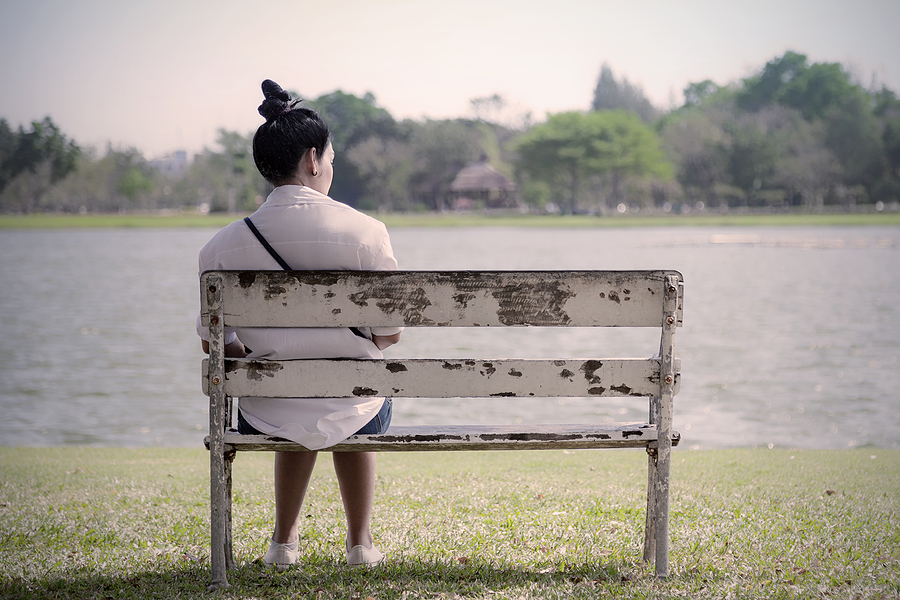
This post discusses detailed experiences of childhood physical and sexual abuse, including descriptions of body memories that may surface during trauma therapy. Please take care of yourself while reading and pay particular attention to your own nervous system responses. If you feel activated, please pause, take some deep breaths, and return when you feel grounded. Feel free to take breaks as needed and consider having support available if you choose to continue. If this content brings up your own memories, please reach out to your therapist, coach or peer support system.
Last Thursday, I had an EMDR session that left me feeling raw, alone, vulnerable and overwhelmed. By Saturday, I was stuffing my emotions with carbs, my belly was swollen from stress, and I felt like I couldn’t breathe under the crushing weight of unprocessed grief. 💔
If you’ve ever done trauma therapy – EMDR, Tapping, Somatic work, or any other body-based healing – you might recognize this occasional experience where the session ends, memories have surfaced, your nervous system is activated, and then… you’re left to navigate the aftermath largely on your own.
Today I want to talk about what happens when “time’s-up” after trauma processing sessions, why body memories can be so intense, and how to build effective support systems to help you better navigate this vulnerable time.
Because when you’re in the thick of healing work, you need to know you’re not alone – and you need practical tools to help you through. 💛
When Your Body Remembers What Your Mind Forgot
During my session, memories surfaced that my body had been holding for decades. Terror of being grabbed from behind. The feeling of my head being smashed forward. Searing pain gripping my throat. Gasping for air. My little legs kicking and dangling. Thudding to the floor and then…nothing.
When I regained consciousness (in that memory), I was cold, defeated, and utterly alone.
No one was coming to help me or to save me. No one to pick up the pieces or even care what had happened to me. I had to clean myself, tend to my injuries, and somehow find a way to keep going.
It was in that bleak moment, curled up on the floor, that a cruel inner voice cursed at me for being so “weak and pathetic”. Familiar by now, it berated me in the same harsh tone my abusers used, turning their cruelty inward towards myself: adaptive self-loathing ~ my only hope at survival. No gentleness or compassion. No room for grief back then. Just “pull yourself together” “do better” and “be ready for next time”.
These weren’t just mental images or flashbacks – they were full-body experiences. In the session, my breathing became ragged. My throat burned. I could feel the whiplash sensation in my neck. This is what we call body memories or somatic flashbacks.
Your body stores trauma memories in ways that can be startling when they surface. You might experience:
💫 Physical sensations or even bruises that match past injuries
💫 Sudden changes in breathing or heart rate
💫 Sudden sweating, chills, shaking or panic
💫 Feeling disconnected from your body or surroundings
💫 Emotional flooding that seems disproportionate to the present moment
💫 Extreme fatigue or exhaustion after sessions
💫 Feeling confused, foggy or hung-over as you process what happened
This isn’t your imagination. Research shows that trauma is stored in the nervous system and can be triggered during therapy as your body releases what it’s been holding. And although this can be very challenging and uncomfortable to sit with in the moment, it is your body’s remarkable way of releasing what’s been stuck, perhaps for years. 🌱🍃
The Cruel Voice of Self-Blame
What stayed with me most after my session wasn’t only the physical memories – it was the indent of shame – left by the vicious and belittling self-talk that accompanied them. “You were so weak and pathetic. You couldn’t stay conscious. You passed out. You let this happen. It was all your fault for needing oxygen.”
This internal critic is common among trauma survivors, especially those who experienced abuse as children. All too often, we internalize the perpetrator’s narrative, believing we were somehow responsible for what happened to us. A tiny glimmer of hope we cling to like a life-raft. A glimmer that tells us: “If it was my fault, then just maybe there was something I could have done differently to change things.”
Let me be clear: a child’s nervous system shutting down during trauma is a protective mechanism, not a failure. Your body was trying to keep you alive. If you lost consciousness, couldn’t fight back, or “froze” during abuse, that was your nervous system’s wisdom, not your weakness. 💙
The Isolation That Follows
After intense therapy sessions, many of us face a particular kind of loneliness. We’ve touched something deep and raw and painfully visceral, and then we’re expected (or we expect ourselves) to return seamlessly to “normal” life – making dinner, helping with homework, responding to work emails.
This isolation can be compounded if those closest to us don’t know how best to respond or support us.
Over the years, my husband, Alex has been endlessly compassionate and supportive of my healing.
After this particular session – I hoped to share with him what had come up, but I chose a moment when he was not able to be fully present. He was distracted and although unintentional, I left the conversation feeling even more shut down and alone with my pain. (Yup – even when we know what to do – sometimes it can go wrong!)
This pattern – being alone with trauma both as children back then, and as adults processing it today – is heartbreakingly common. As children, we were often left to deal with the aftermath of abuse by ourselves. Now, unfortunately, we can find ourselves in a similar position during healing. 💔
This is why it’s so very important for us to learn to build a safe container and a strong support system for our healing work today.
Building a Container for Trauma Work
If you’re doing trauma healing work or therapy of any kind, creating a “container” – a safe structure around your healing work – is essential. This container can include:
Before Sessions:
🌿 Clear your schedule for the day (or at least an hour either side) if possible
🌿 Arrange childcare or support for immediate responsibilities (like school pickup)
🌿 Let trusted people know you may need extra support
🌿 Prepare comfort items (soft blankets, tea, soothing music)
During Sessions:
🌿 Advocate for adequate orientation time at the end of the session (where you can review, ground or ask any specific questions)
🌿 Ask your coach or therapist to teach you specific integration techniques
🌿 Don’t rush out – take time to orient yourself to the present moment (I like to take a slow walk outside or sit with my journal for a few minutes before I drive home)
After Sessions:
🌿 Avoid making major decisions or having difficult conversations
🌿 Engage in gentle, nurturing activities (a coloring book in your purse can work wonders)
🌿 Stay hydrated and eat nourishing foods
🌿 Limit alcohol and other substances like caffeine that might interfere with processing
🌿Avoid rushing straight back into “normal” life (like business meetings)
Creating Your Support Network
Trauma healing and recovery cannot happen in isolation. Consider building support through:
Professional Support:
🌸 Discuss post-session protocols with your coach or therapist
🌸 Consider shorter, more frequent sessions if intensity is overwhelming
🌸 Ask about resources for between-session support (like email check-ins)
🌸 Explore whether group therapy might provide additional community
Personal Support:
🌸 Identify 2-3 people (friends or your partner) who can offer presence without trying to “fix” things
🌸 Educate key supporters about trauma processing
🌸 Create simple signals for when you need extra care
🌸 Join online communities of others doing similar healing work (though be sure these are not overwhelming or re-traumatizing for you)
Self-Support:
✨ Develop a post-session self-care routine (a walk in nature, warm tea, cosy blanket, journal, birdsong music are my favs!)
✨ Learn grounding and orienting techniques for when memories surface
✨ Practice self-compassion when your body needs to process
✨ Trust your nervous system’s timing rather than forcing recovery
✨Practice self-compassion and forgiveness when you do slip back into old ways of coping (like me with the carbs this weekend)..
✨Remember – this is not easy work and you, my friend, are doing an amazing job! 🥰
Tapping for Post-Session Support
When difficult memories do surface and you’re feeling overwhelmed, this gentle tapping sequence can help calm your nervous system:
Setup (Side of Hand): “Even though these memories are painful and I feel so alone with them, I acknowledge that my body is releasing what it’s been carrying, and I’m safe – right here, in this moment.”
Tapping Sequence:
🌿 Top of Head: “These memories feel so overwhelming”
🌿 Eyebrow: “I feel so alone with this pain”
🌿 Side of Eye: “My body remembers things my mind forgot”
🌿 Under Eye: “But I’m safe right here, right now”
🌿 Under Nose: “I’m brave for facing these memories”
🌿 Chin: “My body is releasing what it’s been holding”
🌿 Collarbone: “I don’t have to carry this alone anymore”
🌿 Under Arm: “I’m choosing healing even when it’s hard”
🌿 Top of Head: “I trust my body’s wisdom to heal”
Take a deep breath and notice any shifts in your body or emotions. Remember, healing isn’t linear, and it’s okay to move slowly. You can repeat this tapping sequence as often as is helpful.
When Family and Friends Don’t Know How to Help
It can be painful when those we love can’t always hold space for our healing journey. Sometimes this happens because:
💙 They’re overwhelmed by the intensity of trauma content
💙 They feel helpless and don’t know how to respond
💙 They’re dealing with their own unprocessed trauma
💙 They haven’t been taught how to offer presence and actively listen without suggesting solutions
💙 Life can get busy and they’re dealing with their own stuff – they’re human too!
It’s important to remember that even the most loving and supportive relationships can struggle under the weight and intensity of trauma processing. Especially when a healing journey can last for years and even decades.
Compassion fatigue is a very real phenomenon.
If you can relate to this, you might consider having direct conversations with your loved-one about what you need ahead of time – when you’re not actively triggered or processing emotions or memories. This might sound like:
♥️ “I’m not looking for advice or solutions. I just need you to listen and remind me that what happened wasn’t my fault.”
♥️ Please be “outraged on my behalf”. Tell me that it should never have happened and it was not ok!
♥️ I need a little time to myself today. Please can you pick up the kids.
♥️ I will ask you if you have the capacity to listen to me actively and with your full attention. Please tell me if you can do that. If not – please help me schedule a time when we can talk about what’s coming up.
If however, your immediate family, friends or loved-ones can’t provide this kind of grounded, compassionate support, it’s okay to seek it elsewhere (in a support group for example).
Your healing is too important to abandon simply because others may not have the capacity to meet you where you’re at. 💛
Support for Partners too
It’s important to remember that healing work can be really tough for our loved ones too. They see our pain and can often feel powerless to help. If you are the loved-one of a survivor, please know that it’s ok for you to reach out for support.
Your feelings, frustrations, anger and grief about what happened matter too. There are support networks out there – you don’t have to bear this alone.
Finding a friend, coach or therapist you can explore and express your feelings and concerns with can be extremely helpful.
Making Meaning from the Pain
One of the hardest parts of trauma processing can be the difficulty of trying to reconcile and integrate what we’ve gone through into our life today. “Why can’t I just let the past go? Why can’t I just move on? Why can’t I just be happy now – when I’ve created a good life?”
But, healing isn’t about forgetting or “getting over” what happened. The events of our past will always be there. Our healing is about us learning how to grow around the wounds; integrating these experiences into our current life so that they no longer control us in our present.
When you process past trauma, you’re not just healing yourself – you’re breaking cycles and creating space for you to grow and build capacity for safe, authentic connection with others in the here and now.
Your decision to face these memories, and to do this deep healing work, despite how painful it is, takes tremendous courage. I honor you for that courage my friend, and I want to remind you today that each time you show up to your own healing is an act of self-love and of rebellion against those who tried to hurt you, silence you or destroy you. 💪✨
You’re Not Broken – You’re Breaking Free
If you’re reading this in the aftermath of your own difficult therapy session, please know: the rawness you’re feeling is part of healing, not evidence that you’re broken. The memories that surface are your body’s way of releasing what it’s been carrying for too long.
You deserve support during this process. You deserve people who can witness your pain without flinching or judging. You deserve to take up space with your healing journey.
And you deserve to know that the little voice inside you that says “it was your fault” is mistaken. What happened to you was never your fault. Your body’s responses were protective, not weak. Your survival is a testament to your strength, not evidence of your failure. 🌼
The path of trauma healing is rarely linear or easy. But you don’t have to walk it alone. Please reach out for support – either in this community or elsewhere.. 💕
Advocate for what you need. Trust that your nervous system knows how to heal when given the right conditions. 💛
Your courage to face these memories is already changing you. Trust the process, even when it feels impossible. 🌱
Resources for Support
If you’re struggling with trauma processing:
💫 Contact your therapist between sessions if needed
💫 Call a crisis helpline if you’re in immediate distress
💫 Consider joining a trauma-informed support group
💫 Explore online communities for trauma survivors
💫 Remember that healing happens in your own timing
Your healing matters. Your pain is valid. And you are worthy of all the support you need to reclaim the life you want and deserve. 💕
With you in the messy middle,
Karen 🌼
P.S. If someone you love is doing trauma work, the most powerful thing you can offer is your presence. You don’t have to have any of the answers. Try saying:
“I’m so sorry that happened to you. It was never your fault. I’m here.” 💛